
Siberian Husky DLE: Nasal Depigmentation, Symptoms, and Protecting the Nose
TLDR
Siberian Huskies are among the breeds genetically predisposed to Discoid Lupus Erythematosus (DLE), an autoimmune condition affecting the nose. Huskies often show signs relatively early in life. The first clue is usually nasal depigmentation - the black nose fading to gray or pink - along with a smoothing of the texture. With veterinary care and consistent UV protection, DLE is very manageable and does not affect life expectancy.
Huskies already show natural nose-color variation, which can make DLE easy to miss at first. Knowing what separates harmless fading from an autoimmune flare matters for this breed.
Why Huskies Are Predisposed to DLE
Siberian Huskies appear consistently on veterinary lists of DLE-prone breeds, alongside German Shepherds, Collies, and Shetland Sheepdogs. The predisposition is genetic, and UV exposure is the major environmental trigger that brings symptoms out and makes them worse. Huskies are also active, outdoor-loving dogs, which adds to that exposure.
One nuance for the breed: many Huskies have "snow nose," a normal, harmless seasonal lightening. That makes it important to know the difference between cosmetic fading and the start of DLE.
Snow Nose vs DLE: Telling Them Apart
Snow nose: color lightens, but the nose stays smooth, healthy, and comfortable, often darkening again seasonally. No crusts, no sores, no sensitivity.
DLE: color loss comes with a smoothing of the cobblestone texture, plus crusting, scaling, sores, or sensitivity, and it tends to worsen with sun.
If your Husky's nose shows the second pattern, see your veterinarian.
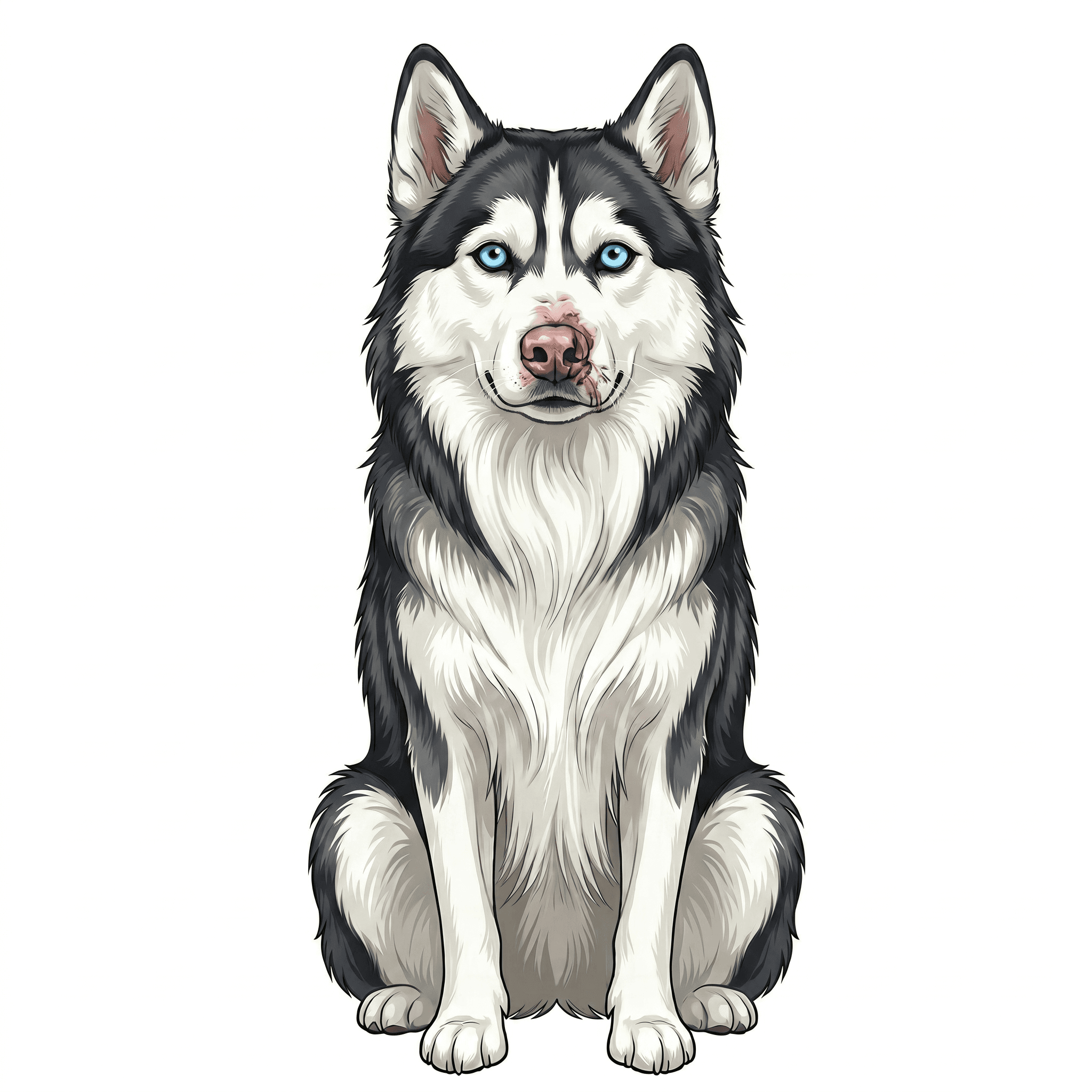
Symptoms of DLE in Siberian Huskies
Loss of pigment - black nose turning gray, bluish, or pink
Loss of the normal cobblestone texture
Crusting and scaling
Erosions, sores, cracking, or bleeding in advanced cases
Sensitivity and reluctance to be in bright sun
Diagnosis and Treatment
Because DLE can look like other nose conditions, a definitive diagnosis comes from a skin biopsy, usually under sedation. Once confirmed, management is led by your veterinarian and typically combines medication to calm the immune response, supportive supplements such as omega-3s, and - critically - consistent UV protection.
The licking problem
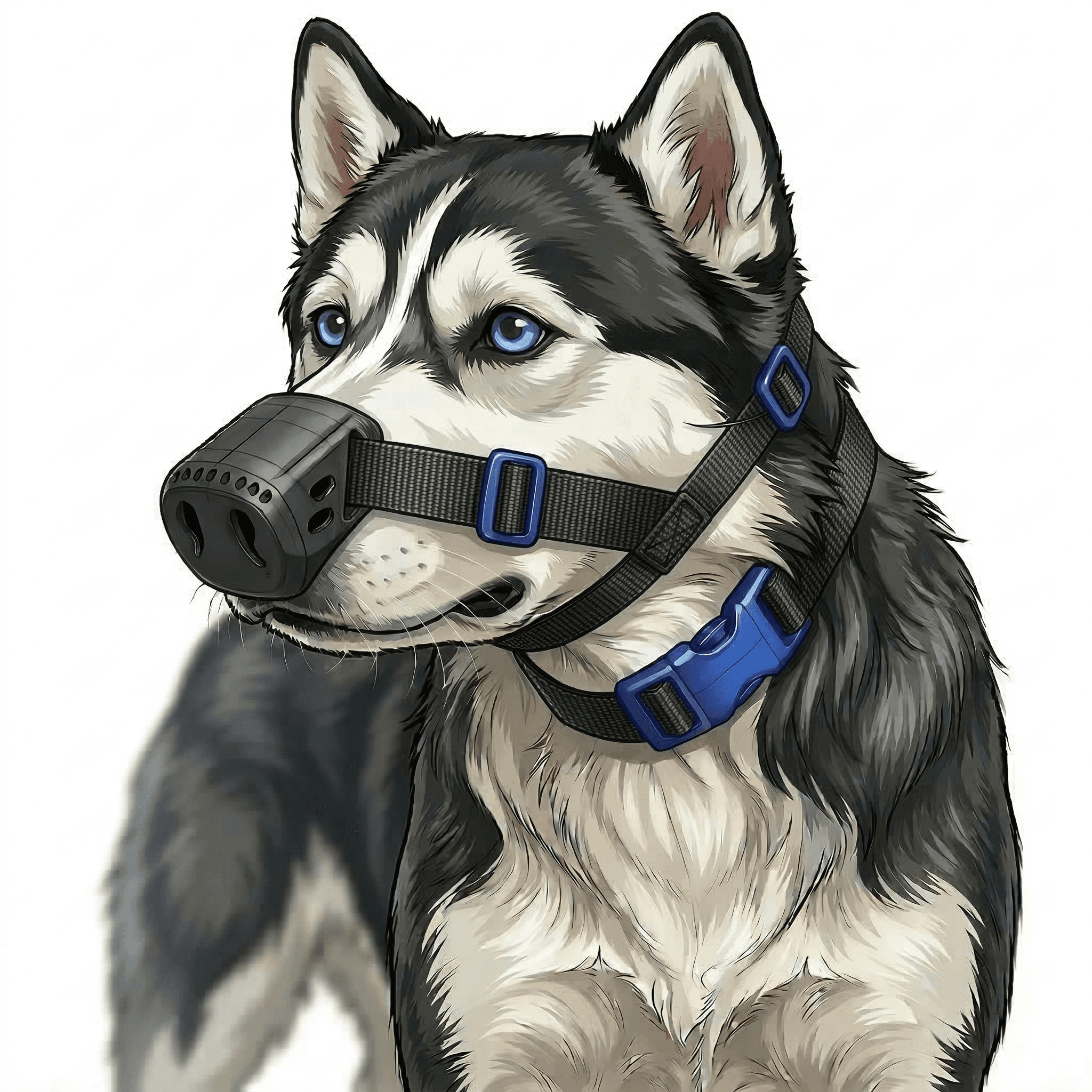
As with every nose condition, the practical obstacle is that dogs lick topical treatments off within seconds. A physical barrier solves it. SnoutCover blocks UV without reapplication and keeps prescribed medication in place so it absorbs properly. It protects and supports healing, and works best alongside your vet's plan - it is not a cure or a wound dressing.
For daily routines, see our usage guide and our daily DLE management guide.
The Outlook for Huskies with DLE
The prognosis is good. DLE is confined to the skin, does not spread to internal organs, and does not shorten your Husky's life. With consistent protection and care, most dogs improve within 2-3 months and settle into a manageable, preventive routine.
Frequently Asked Questions
Are Siberian Huskies prone to DLE?
Yes. Huskies are among the breeds genetically predisposed to Discoid Lupus Erythematosus, and they often show signs relatively early in life.
Is my Husky's pink nose snow nose or lupus?
Snow nose is harmless fading with a normal, smooth, comfortable nose. DLE involves loss of texture plus crusting, sores, or sensitivity and worsens with sun. When in doubt, ask your vet.
How is DLE treated in Huskies?
With vet-directed medication, supportive supplements, and consistent UV protection. A physical nose cover helps by blocking UV and keeping medication in place.
Does DLE affect a Husky's lifespan?
No. DLE stays on the skin and does not affect life expectancy. It is a manageable, quality-of-life condition.
