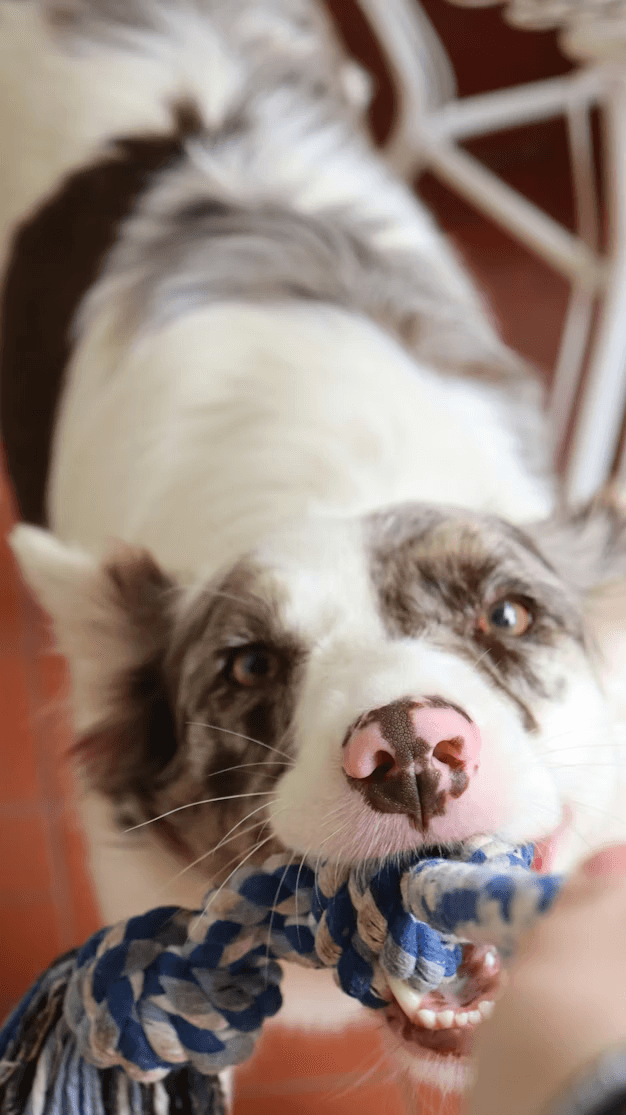
Living with "Collie Nose": A Daily Management Guide
If your vet just used the term "Collie Nose" (or its medical name, Nasal Solar Dermatitis), don't panic. While the raw, depigmented skin looks painful, this condition is highly manageable with the right routine.
Despite the name, this autoimmune reaction to sunlight affects many breeds, including Shepherds, Huskies, and Retrievers. Here is your daily survival guide.
Read more about Collie Nose on our dedicated guide
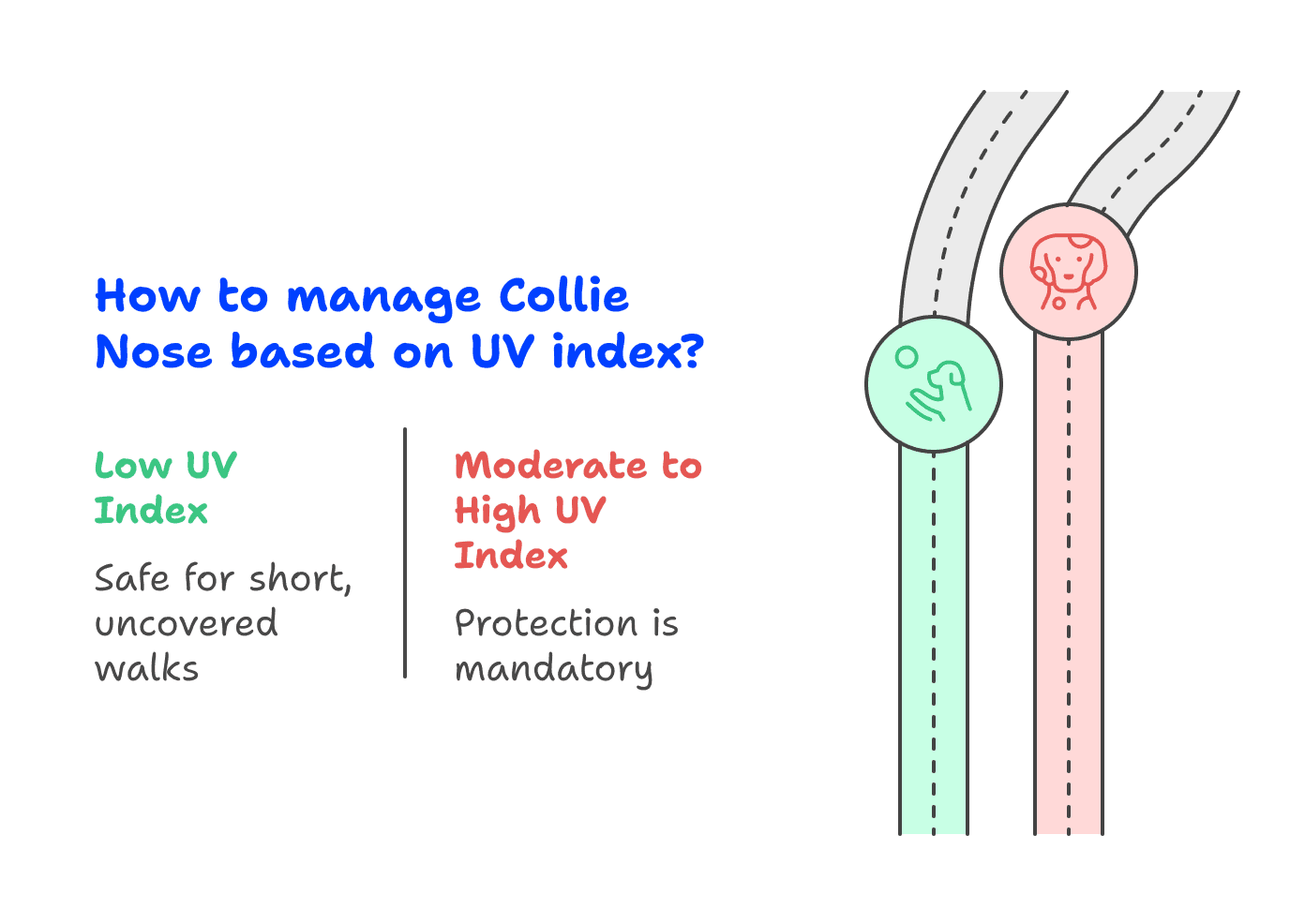
1. The UV Index is Your Boss
Just like humans with sensitive skin, you need to check the UV index.
UV 0-2 (Low): Safe for short, uncovered walks (early morning/late night).
UV 3+ (Moderate to High): Protection is mandatory.
2. The "Walk" Protocol
Exercise is vital for your dog's mental health, but the sun is the enemy.
The Mistake: keeping the dog indoors all summer.
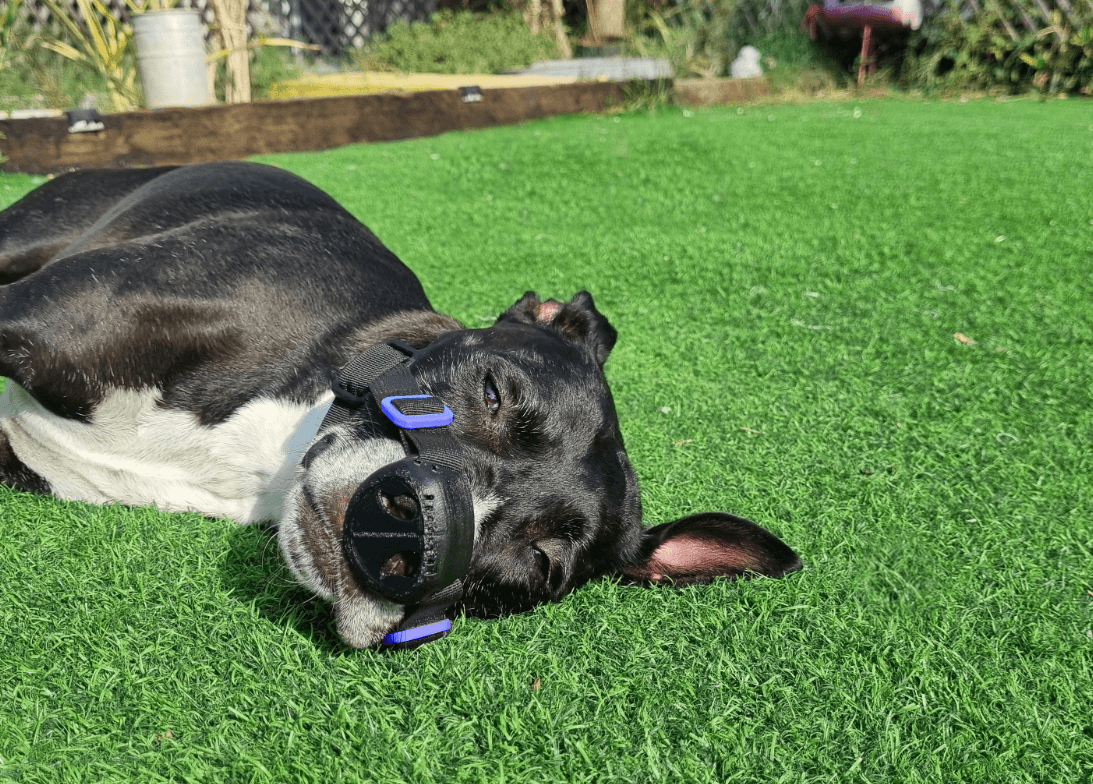
The Fix: Use physical protection. A SnoutCover allows you to maintain your 2pm walk routine without fearing UV damage. It blocks the radiation that triggers the autoimmune attack on the nose pigment.
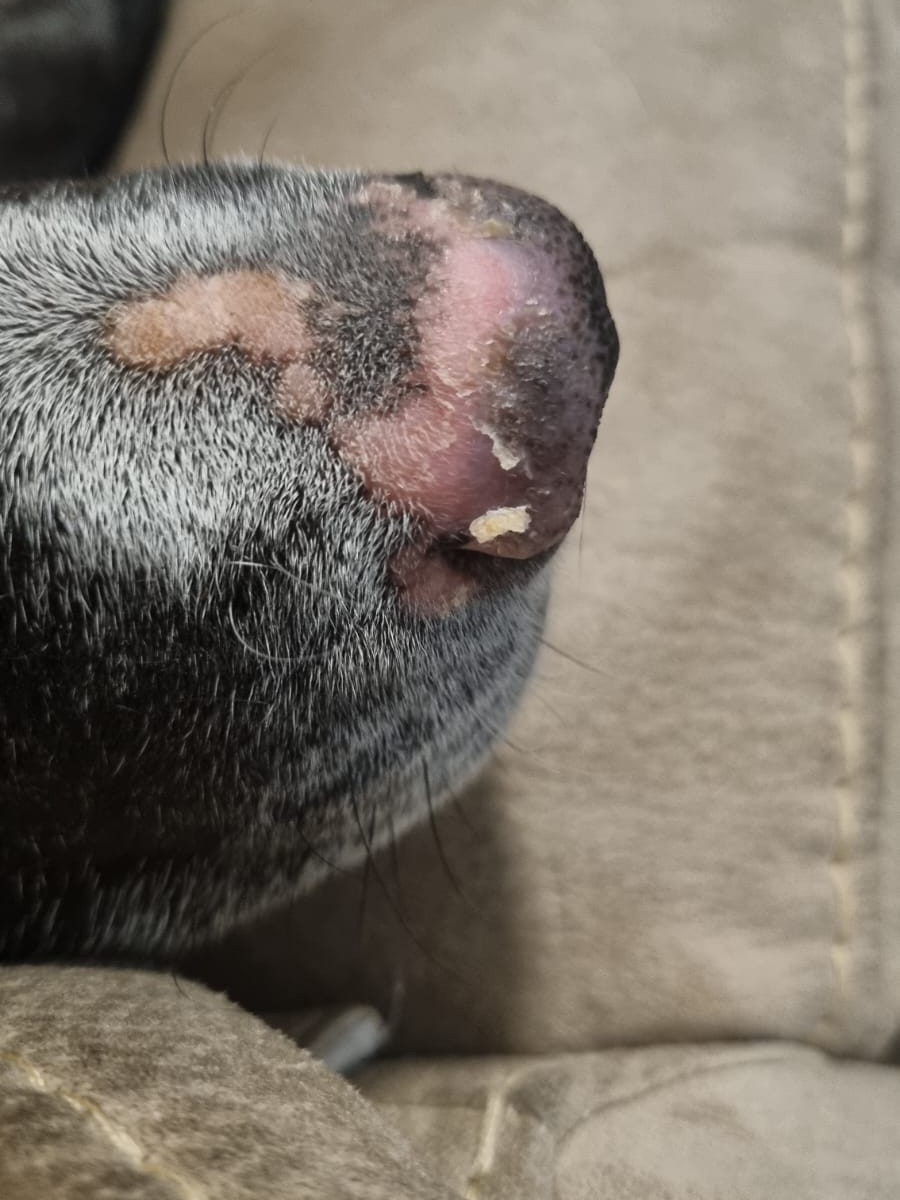
3. Monitor the "Cobblestone"
A healthy dog nose has a "cobblestone" texture. The first sign of a Collie Nose flare-up is often the smoothing of this texture before the redness starts. If you see the nose becoming smooth and shiny:
Increase sun protection immediately.
Switch to short, shaded walks.
Consult your vet about anti-inflammatory options.
4. Diet and Hydration
While physical protection is #1, supporting skin health from the inside helps. Many owners report success with Omega-3 fatty acids and Vitamin E (ask your vet first!). And because SnoutCover allows your dog to drink freely, you can keep them hydrated on hot days without removing their protection.
Managing Collie Nose doesn't mean ending your dog's outdoor life - it means adapting it. With consistent UV protection, regular monitoring, and proper support, most dogs see significant improvement within weeks to months. The key is making sun protection as routine as putting on their collar. Your dog can still enjoy walks, playtime, and all their favorite activities while their nose heals and stays protected from future flare-ups.
