Collie Nose: Complete Guide to DLE Treatment & Protection

Collie Nose: Complete Guide to DLE Treatment & Protection

If your Collie's nose is losing its black pigmentation, developing crusts, or becoming sensitive to touch, you're likely dealing with "Collie Nose" - the most common autoimmune skin condition affecting Rough and Smooth Collies.

If your Collie's nose is losing its black pigmentation, developing crusts, or becoming sensitive to touch, you're likely dealing with "Collie Nose" - the most common autoimmune skin condition affecting Rough and Smooth Collies.

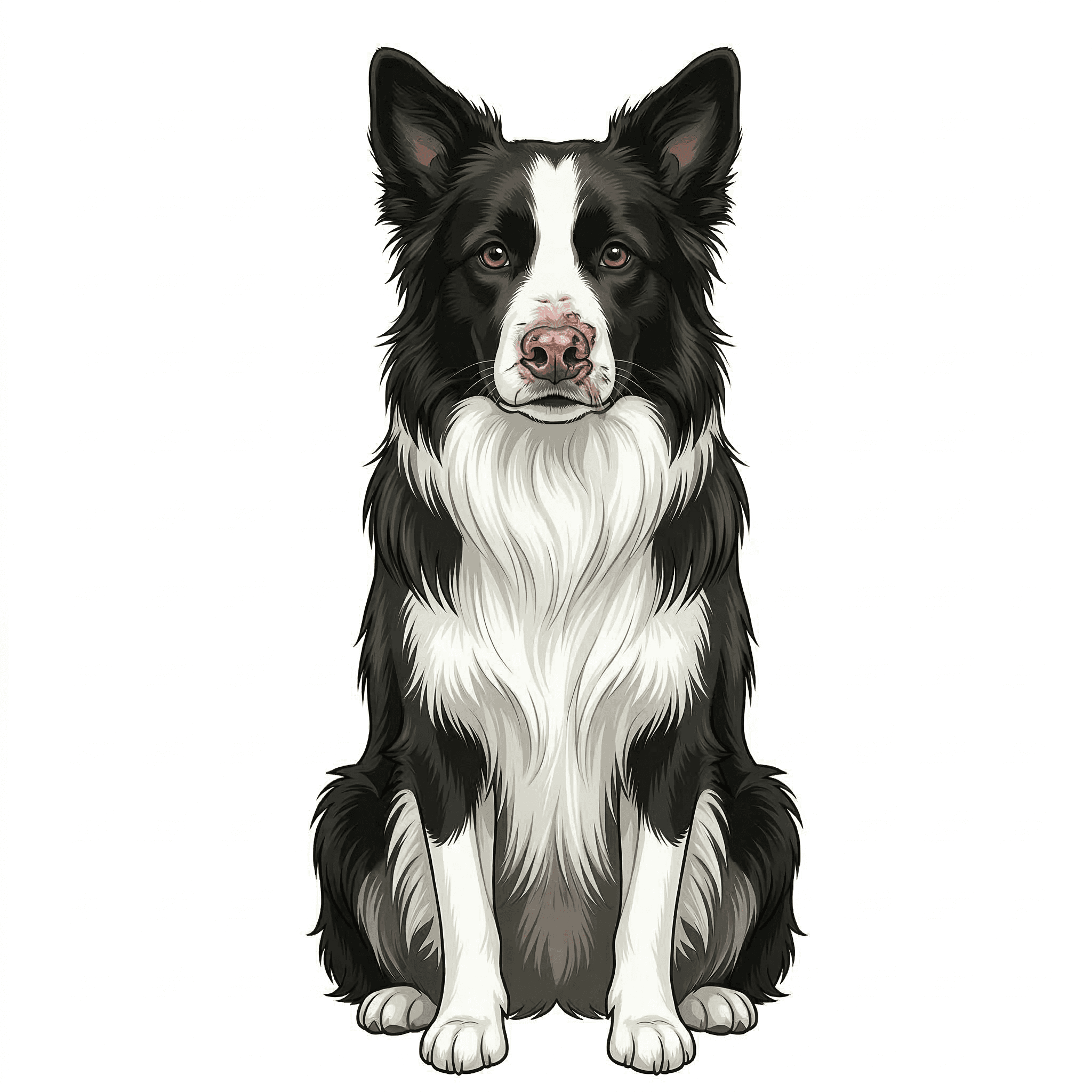
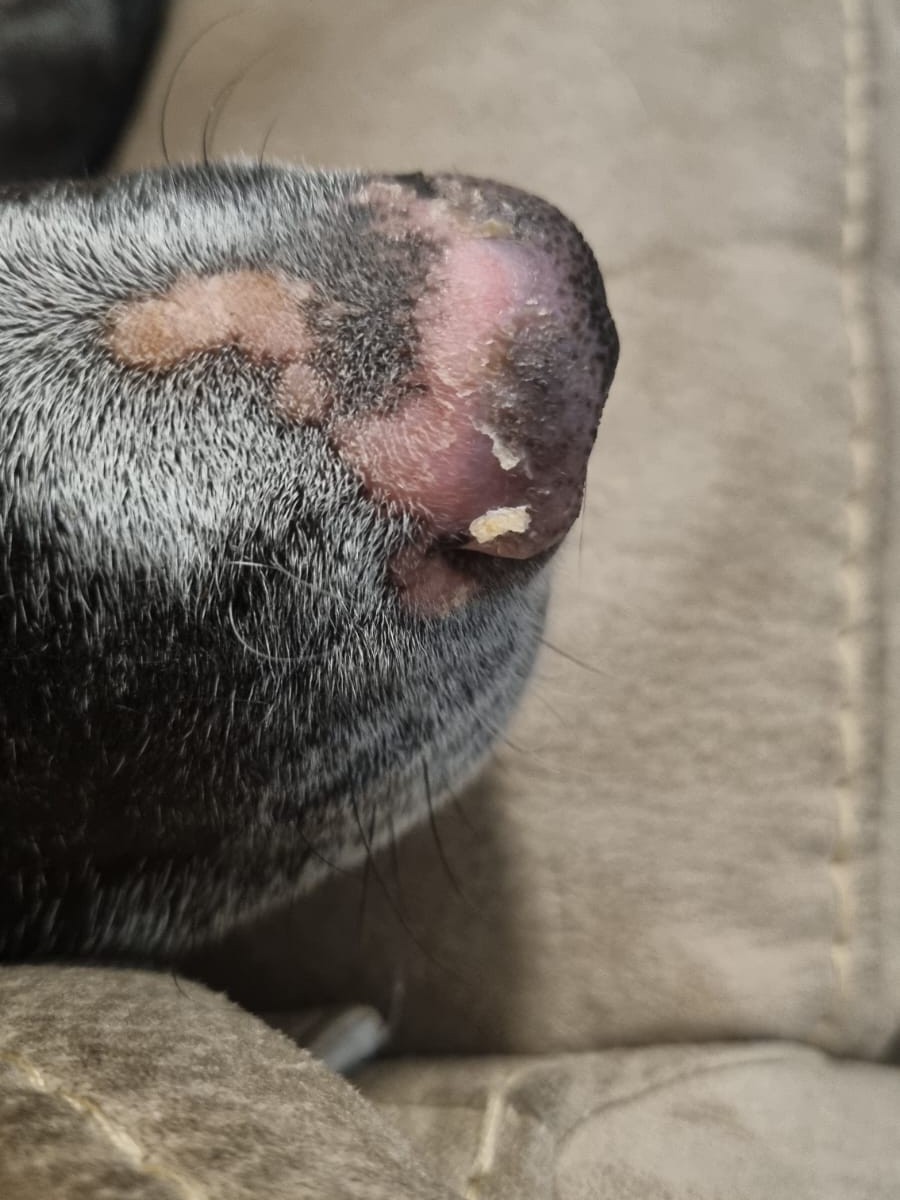
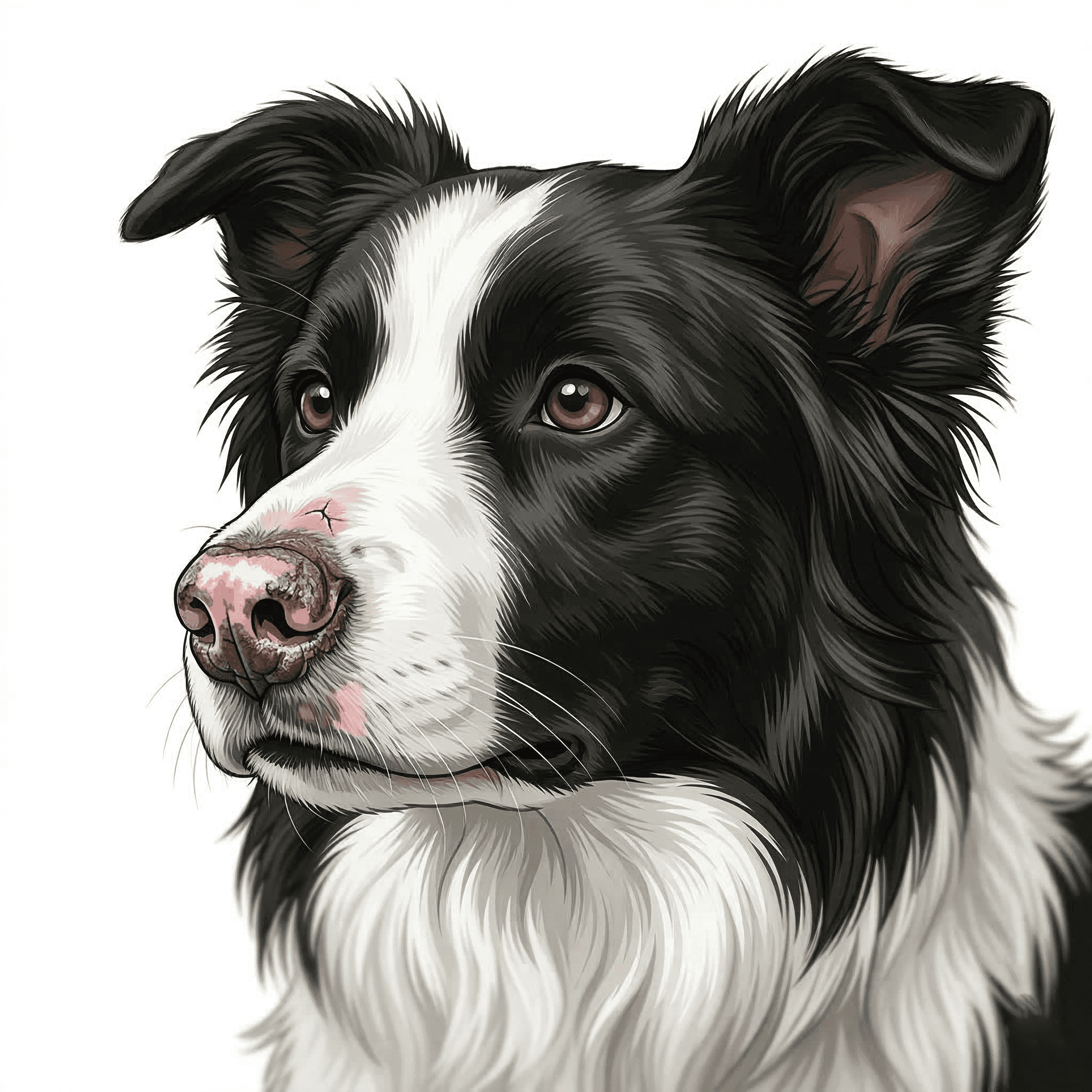
Border Collie with Collie nose

Quick Answer: What is Collie Nose?

"Collie Nose" is the common name for Discoid Lupus Erythematosus (DLE), an autoimmune disease where your Collie's immune system mistakenly attacks the healthy cells on their nose. It's so common in Collies that veterinarians often use the breed name to describe the condition.

Key facts:

  • Affects both Rough and Smooth Collies

  • Triggered primarily by UV rays from sunlight

  • Causes loss of nose pigmentation, crusting, and pain

  • Highly manageable with proper treatment and UV protection

  • Does not affect your Collie's lifespan or spread to internal organs

Good news: Most Collies show significant improvement within 2-3 months with consistent UV protection and veterinary treatment.

Understanding Collie Nose (Discoid Lupus Erythematosus)

If you're a Collie owner and your veterinarian just used the term "Collie Nose," "Nasal Solar Dermatitis," or "Discoid Lupus Erythematosus," don't panic. While the depigmented, crusty nose looks alarming, this condition is one of the most well-understood and manageable autoimmune diseases in dogs.

What Makes It an Autoimmune Disease?

In a healthy immune system, your Collie's body defends itself against harmful bacteria and viruses. In autoimmune diseases like DLE, the immune system gets confused and identifies healthy tissue as a threat.

With Collie Nose, the immune system specifically targets the cells on the nasal planum - the hairless, exposed part of your Collie's nose. This attack causes inflammation, tissue damage, and progressive loss of the protective pigmentation that normally shields the nose from sun damage.

Why It's Called "Collie Nose"

DLE can affect any dog breed, but it's so overwhelmingly common in Collies (both Rough and Smooth varieties) that veterinarians coined the term "Collie Nose" to describe it. The condition appears with such frequency in this breed that any Collie owner should be aware of the early warning signs.

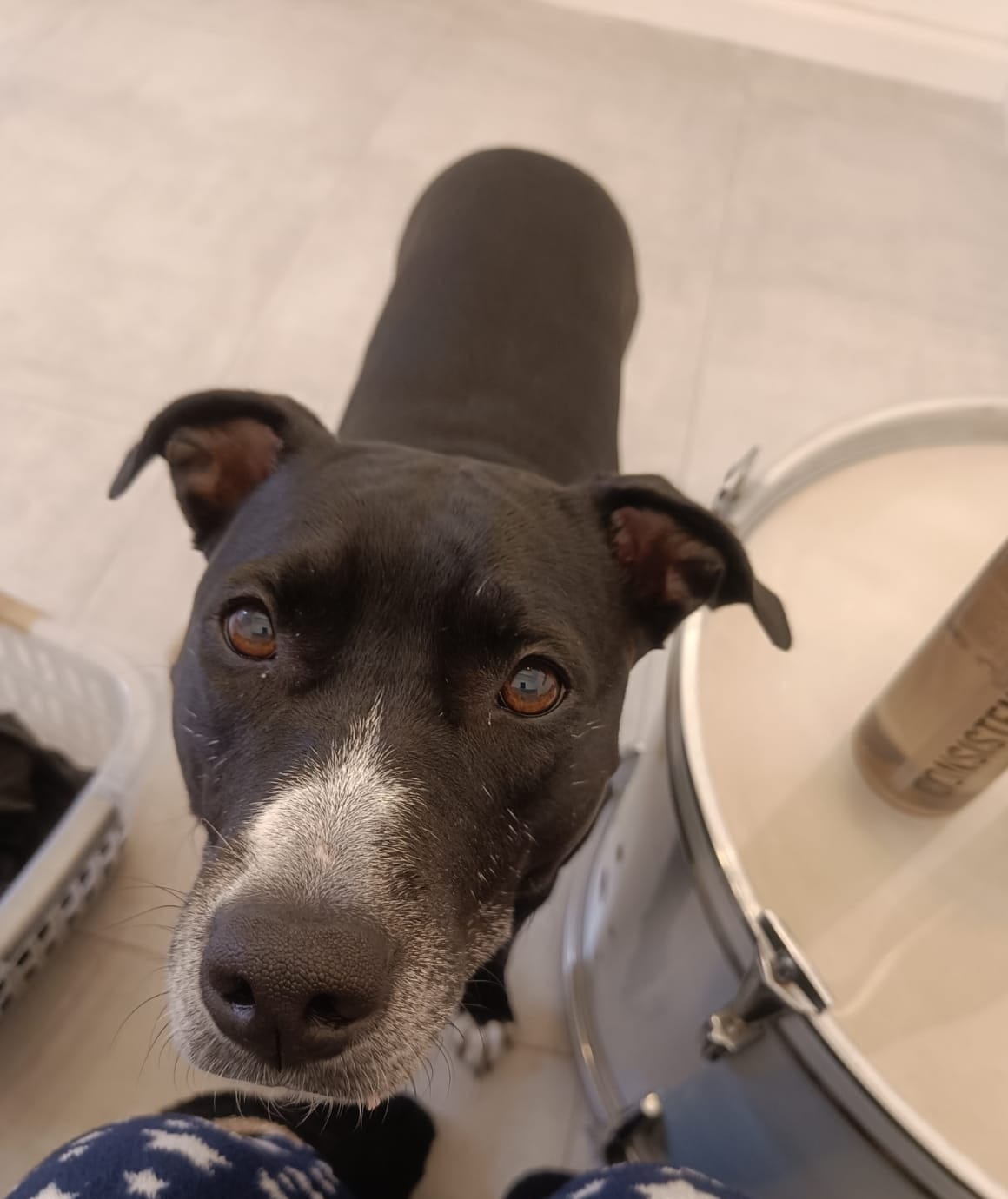
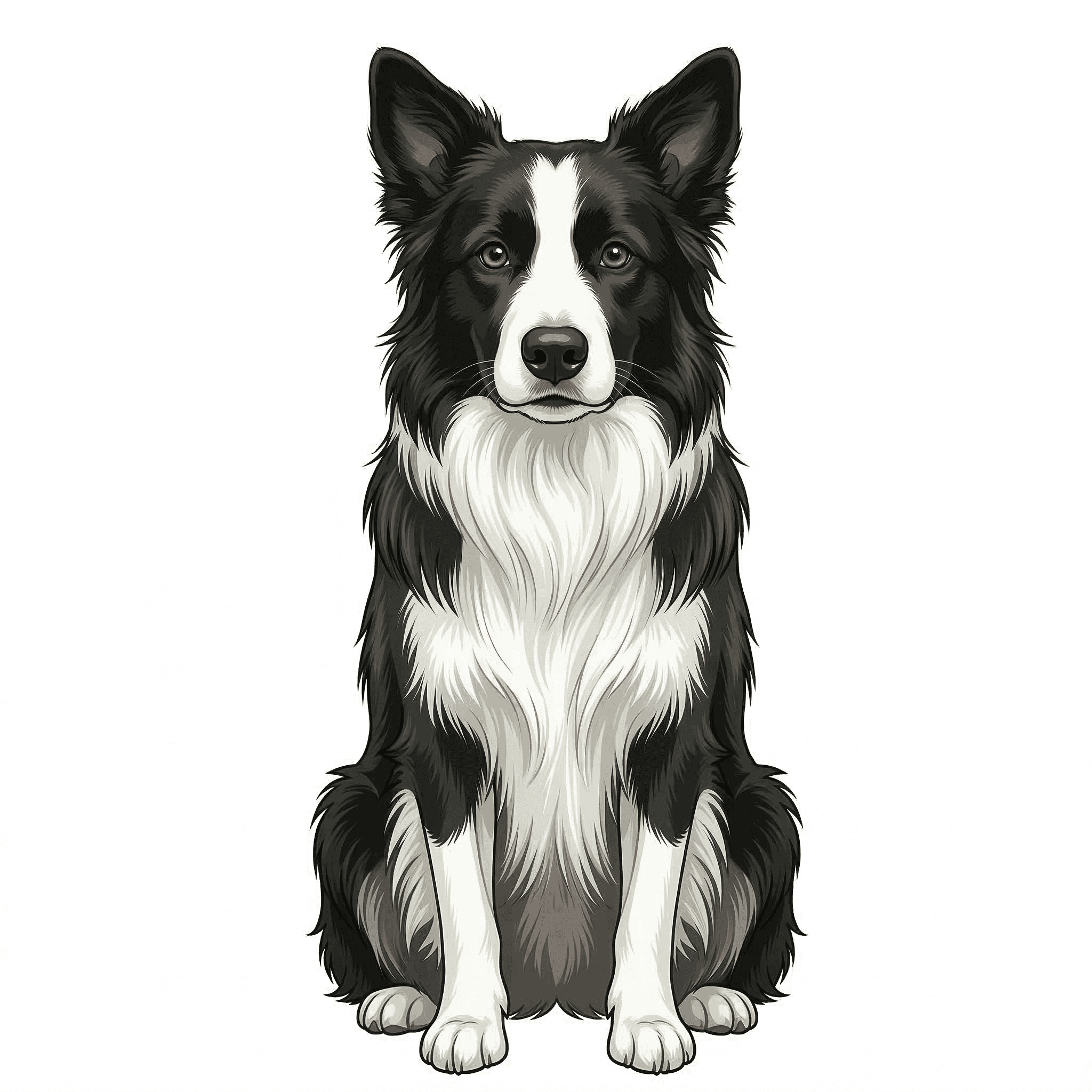
Border Collie with black healthy nose
Border Collie with Collie nose

Recognizing Collie Nose: Symptoms in Rough and Smooth Collies

Collie Nose typically develops gradually over weeks to months. Here's what to watch for in your Rough or Smooth Collie:

Early Warning Signs (Catch It Here!)

  • Loss of pigmentation: The nose begins losing its natural black color, starting with small pink or pale patches. In Collies, this often starts at the edges of the nostrils and spreads across the nasal planum.

  • Texture changes: The normal "cobblestone" texture of your Collie's nose becomes smooth and shiny. Many Collie owners notice this before pigment loss becomes obvious.

  • Mild scaling: Small flakes or light crusts appear on the nose surface. Your Collie might sneeze more frequently or rub their nose with their paw.

  • Seasonal patterns: Symptoms appear or worsen during spring and summer months when UV exposure is highest. Many Collie owners notice improvement during winter.

Progressive Symptoms (Without Treatment)

If Collie Nose progresses without intervention:

  • Complete depigmentation: The entire nose turns pink or pale, losing all protective black pigmentation

  • Thick crusting: Heavy, adherent crusts form that may crack and bleed

  • Erosions and ulceration: The protective skin layer breaks down, leaving raw, exposed tissue

  • Extreme sensitivity: Even gentle bumps cause bleeding. Your Collie may yelp when their nose touches anything

  • Pain during eating: Collies with advanced DLE may hesitate to eat from metal bowls due to nose contact pain

Understanding DLE in Collies

Why Do Collies Get DLE So Frequently?

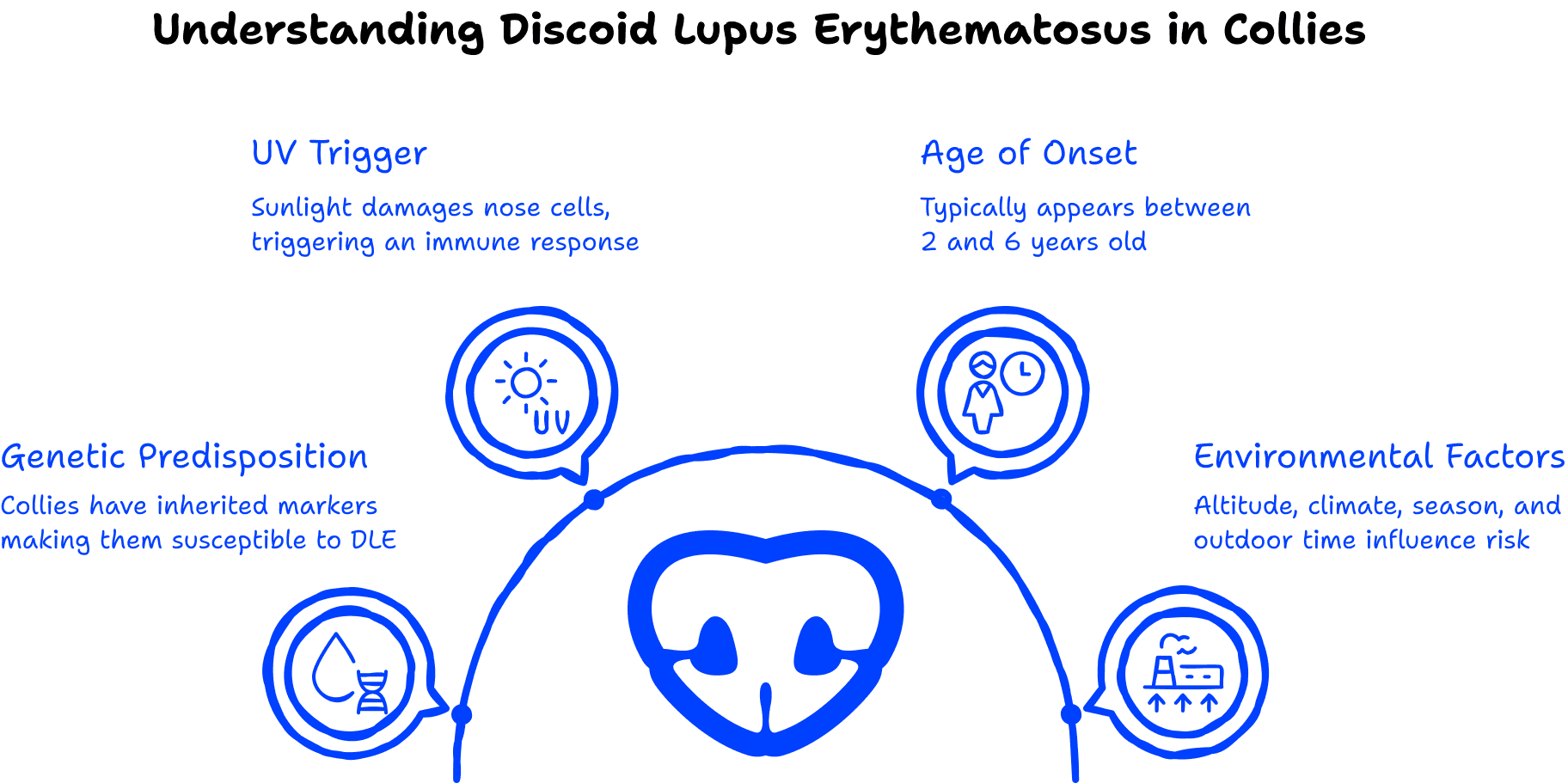
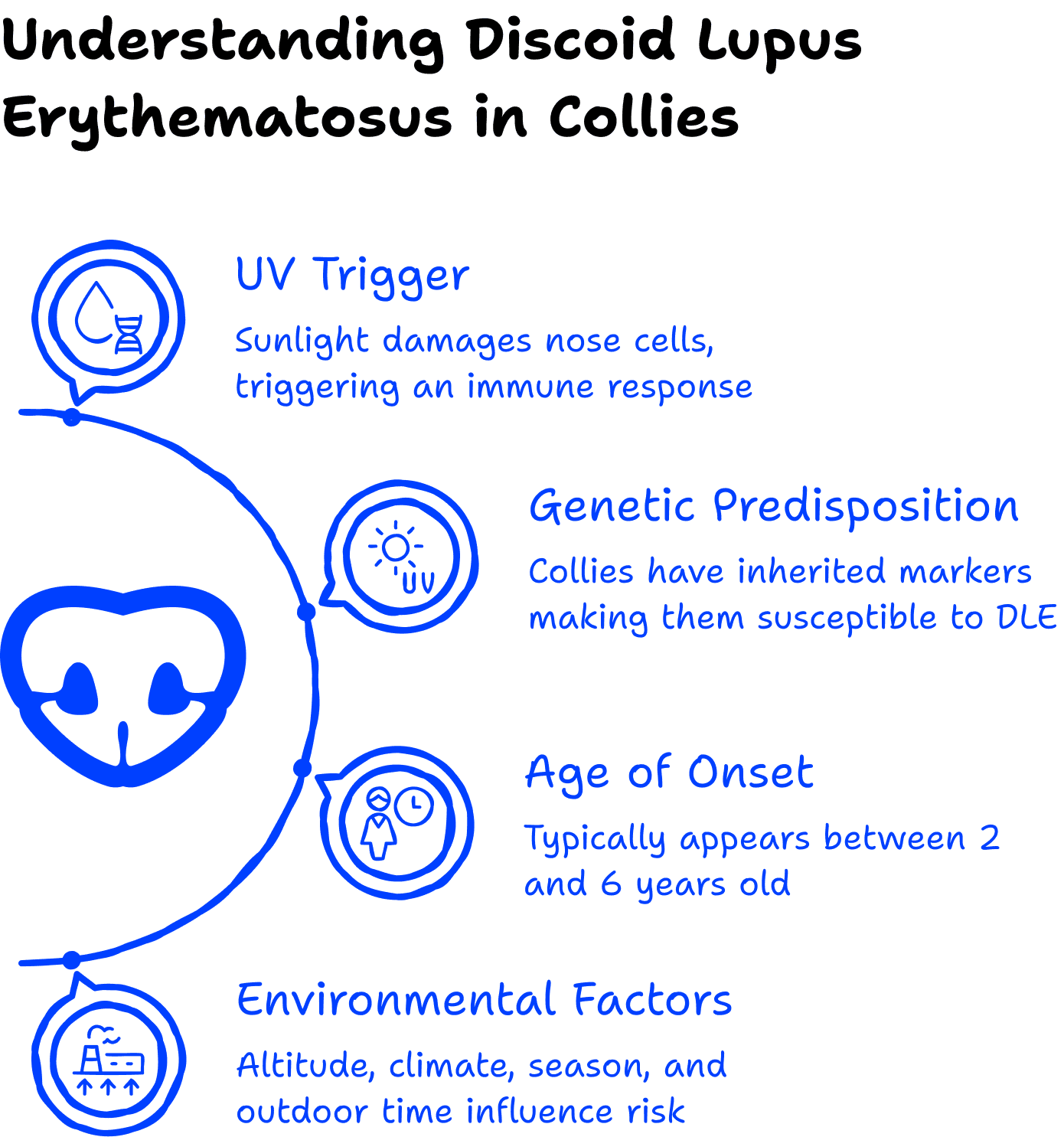
The unfortunate truth is that Collies - both Rough and Smooth varieties - are genetically predisposed to Discoid Lupus Erythematosus. Here's why:

Genetic Predisposition

Research has shown that certain dog breeds carry genetic markers that make them more susceptible to autoimmune conditions. Collies, Shetland Sheepdogs (their close relatives), and German Shepherds top the list for DLE susceptibility.

If you have a Collie, the odds are significantly higher that they'll develop this condition compared to other breeds. This isn't your fault as an owner - it's simply inherited genetics at work.

The UV Trigger

While genetics load the gun, ultraviolet radiation from sunlight pulls the trigger. Here's what happens:

  1. UV rays hit the nose: The nasal planum gets constant sun exposure since it's hairless and elevated

  2. Cell damage occurs: UV radiation damages the cells on the nose surface

  3. Immune system responds: In Collies with genetic predisposition, the immune system overreacts to this damage

  4. Autoimmune attack begins: The immune system starts attacking healthy nose cells, mistaking them for threats

  5. Pigmentation loss accelerates: As pigment cells are destroyed, the nose loses its natural UV protection, creating a vicious cycle. This is why Collie Nose is also called "Nasal Solar Dermatitis" - the sun is a major player in the disease process.

Age of Onset in Collies

Most Collies develop DLE between 2 and 6 years of age, though it can appear earlier or later. Rough Collies and Smooth Collies seem equally affected - the coat type doesn't provide any protection since the nose remains exposed.

Environmental Factors

  • Altitude: Collies living at higher elevations face more intense UV exposure

  • Geography: Sunny climates (Southwest US, Southern California) see higher DLE incidence

  • Season: Symptoms worsen in summer, often improve in winter

  • Outdoor time: Active Collies who spend hours outdoors (herding, agility) face more UV exposure

The unfortunate truth is that Collies - both Rough and Smooth varieties - are genetically predisposed to Discoid Lupus Erythematosus. Here's why:

Genetic Predisposition

Research has shown that certain dog breeds carry genetic markers that make them more susceptible to autoimmune conditions. Collies, Shetland Sheepdogs (their close relatives), and German Shepherds top the list for DLE susceptibility.

If you have a Collie, the odds are significantly higher that they'll develop this condition compared to other breeds. This isn't your fault as an owner - it's simply inherited genetics at work.

The UV Trigger

While genetics load the gun, ultraviolet radiation from sunlight pulls the trigger. Here's what happens:

  1. UV rays hit the nose: The nasal planum gets constant sun exposure since it's hairless and elevated

  2. Cell damage occurs: UV radiation damages the cells on the nose surface

  3. Immune system responds: In Collies with genetic predisposition, the immune system overreacts to this damage

  4. Autoimmune attack begins: The immune system starts attacking healthy nose cells, mistaking them for threats

  5. Pigmentation loss accelerates: As pigment cells are destroyed, the nose loses its natural UV protection, creating a vicious cycle. This is why Collie Nose is also called "Nasal Solar Dermatitis" - the sun is a major player in the disease process.

Age of Onset in Collies

Most Collies develop DLE between 2 and 6 years of age, though it can appear earlier or later. Rough Collies and Smooth Collies seem equally affected - the coat type doesn't provide any protection since the nose remains exposed.

Environmental Factors

  • Altitude: Collies living at higher elevations face more intense UV exposure

  • Geography: Sunny climates (Southwest US, Southern California, Australia) see higher DLE incidence

  • Season: Symptoms worsen in summer, often improve in winter

  • Outdoor time: Active Collies who spend hours outdoors (herding, agility) face more UV exposure

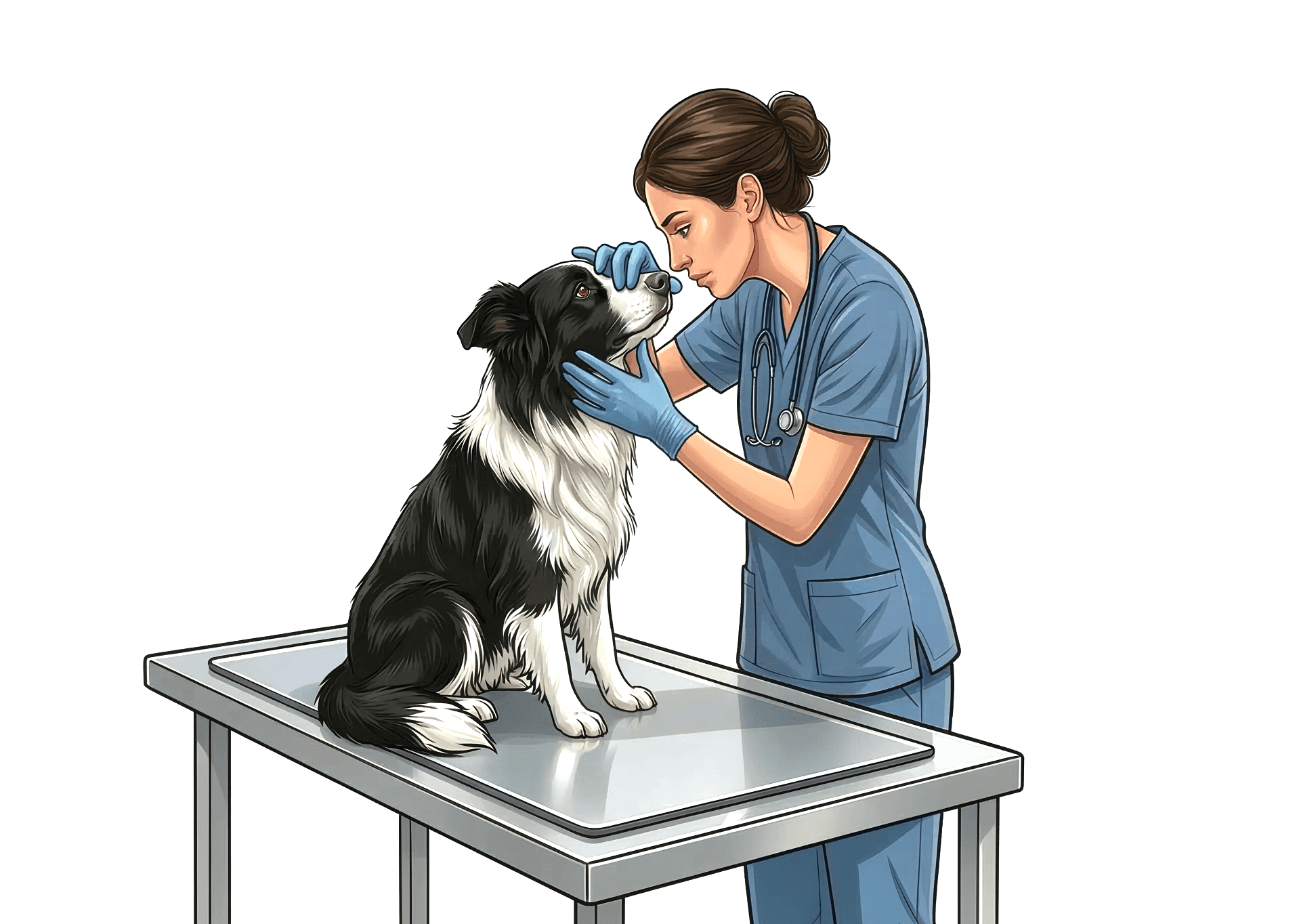
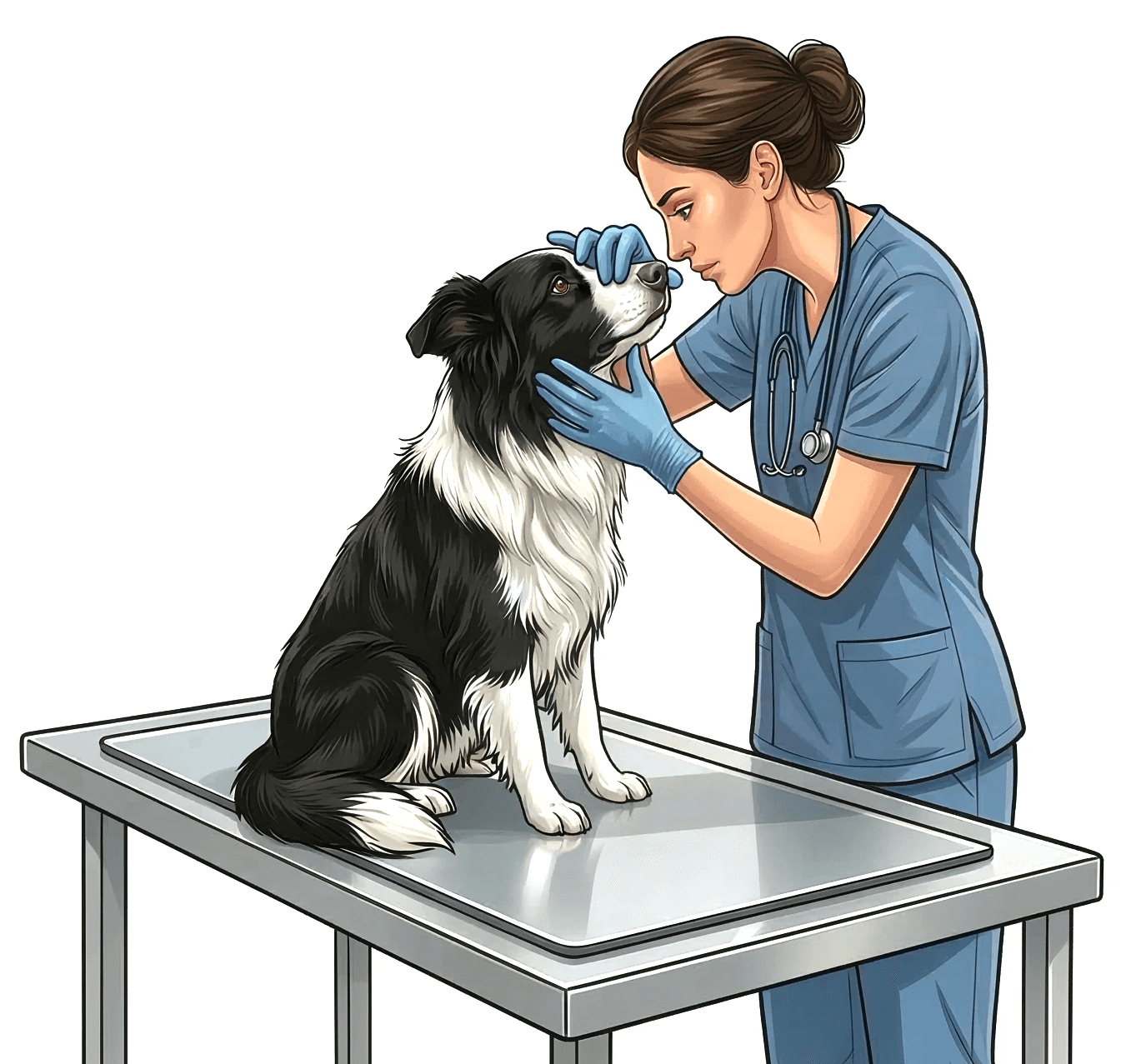
Collie is getting checked by vet for Collie nose

Diagnosing Collie Nose

If you suspect your Collie has DLE, here's what to expect from your veterinarian:

Physical Examination

Your vet will carefully examine your Collie's nose, looking for:

  • Pattern and extent of pigment loss

  • Presence and severity of crusting

  • Texture changes in the nasal planum

  • Signs of ulceration or bleeding

  • Response to gentle touch (pain assessment)

Definitive Diagnosis: Skin Biopsy

The gold standard for diagnosing Collie Nose is a skin biopsy. While this sounds scary, it's a quick procedure:

  1. Your Collie receives local anesthesia (sometimes light sedation)

  2. A tiny piece of nose tissue is removed (usually 2-4mm)

  3. The sample is examined under a microscope by a veterinary pathologist

  4. Results typically return within 5-7 days

The biopsy is important because DLE can look similar to other conditions like pemphigus, nasal tumors, or fungal infections. Accurate diagnosis ensures proper treatment.

Ruling Out Other Conditions

Your vet will also consider and rule out:

  • Pemphigus foliaceus: Another autoimmune disease with similar appearance

  • Systemic lupus erythematosus: More serious condition affecting multiple organs

  • Nasal tumors: Can cause similar crusting and bleeding

  • Contact dermatitis: Allergic reaction to bowls or environmental irritants

  • Fungal infections: Particularly in certain geographic regions

Treating Collie Nose: A Multi-Faceted Approach

The good news: Collie Nose is highly manageable. The challenging news: it requires consistent, daily care. Here's the complete treatment approach:

Medical Treatments (Under Veterinary Supervision)

Topical Medications:

  • Corticosteroid creams: Reduce inflammation and immune response (triamcinolone, betamethasone)

  • Tacrolimus ointment: Immune-modulating medication that's very effective for Collies

  • Vitamin E cream: Supports skin healing and provides antioxidant benefits

Systemic Medications (for moderate to severe cases):

  • Oral corticosteroids: Prednisone or dexamethasone to control immune response

  • Tetracycline + Niacinamide: Combination therapy that works well for many Collies

  • Other immunosuppressants: Azathioprine or cyclosporine for resistant cases

Supplements:

  • Omega-3 fatty acids (fish oil): anti-inflammatory properties

  • Vitamin E: antioxidant and skin support

  • Biotin: supports healthy skin and pigmentation

The Critical Challenge: Medication Retention

Here's where many Collie owners get frustrated:

Dogs lick off anything applied to their nose within seconds.

This is instinctive behavior - Collies keep their noses moist by licking. But when they lick off medicated creams, the treatment never has a chance to work. The medication needs 10-15 minutes of contact time to absorb into the skin layers where healing happens.

Traditional "solutions" don't work well:

  • Elizabethan collars (cone): Uncomfortable for days/weeks, restricts eating and drinking, stressful for Collies

  • Constant supervision: Not practical - you can't watch your Collie 24/7

  • Repeated reapplication: Wasteful, exhausting, and still doesn't solve the absorption problem

  • Distractions (treats, toys): Work for 30 seconds, then the licking resumes

This is where physical UV protection becomes not just helpful, but essential.

The good news: Collie Nose is highly manageable. The challenging news: it requires consistent, daily care. Here's the complete treatment approach:

Medical Treatments (Under Veterinary Supervision)

Topical Medications:

  • Corticosteroid creams: Reduce inflammation and immune response (triamcinolone, betamethasone)

  • Tacrolimus ointment: Immune-modulating medication that's very effective for Collies

  • Vitamin E cream: Supports skin healing and provides antioxidant benefits

Systemic Medications (for moderate to severe cases):

  • Oral corticosteroids: Prednisone or dexamethasone to control immune response

  • Tetracycline + Niacinamide: Combination therapy that works well for many Collies

  • Other immunosuppressants: Azathioprine or cyclosporine for resistant cases

Supplements:

  • Omega-3 fatty acids (fish oil): anti-inflammatory properties

  • Vitamin E: antioxidant and skin support

  • Biotin: supports healthy skin and pigmentation

The Critical Challenge: Medication Retention

Here's where many Collie owners get frustrated:

Dogs lick off anything applied to their nose within seconds.

This is instinctive behavior - Collies keep their noses moist by licking. But when they lick off medicated creams, the treatment never has a chance to work. The medication needs 10-15 minutes of contact time to absorb into the skin layers where healing happens.

Traditional "solutions" don't work well:

  • Elizabethan collars (cone): Uncomfortable for days/weeks, restricts eating and drinking, does not prevent nose licking

  • Constant supervision: Not practical - you can't watch your Collie 24/7

  • Repeated reapplication: Wasteful, exhausting, and still doesn't solve the absorption problem

  • Distractions (treats, toys): Work for 30 seconds, then the licking resumes

This is where physical UV protection becomes not just helpful, but essential.

Collie with Collie nose sunbathing

UV Protection: The Non-Negotiable Foundation

Every veterinary study on Collie Nose agrees on one thing: protecting your Collie's nose from UV rays is absolutely critical for healing and prevention. Here's why UV protection matters so much:

  • Stops the trigger: UV rays are what activate the autoimmune response in the first place

  • Allows healing: Without ongoing UV damage, medication can actually work

  • Prevents recurrence: Even after healing, Collies need lifelong UV protection to prevent flare-ups

  • Breaks the cycle: Damaged, depigmented skin is more vulnerable to further UV damage - protection stops this cycle

Traditional UV Protection Methods (And Why They Don't Work)

Dog-safe sunscreen balms:

Provides UV protection (when it stays on)

Licked off within 30-60 seconds

Requires constant reapplication (every 15-20 minutes)

Messy and expensive

Still doesn't solve medication retention problem

Keeping your Collie indoors:

Eliminates UV exposure

Drastically reduces quality of life

Not practical for active, intelligent Collies who need mental and physical stimulation

Doesn't address UV coming through windows

Your Collie still needs walks and exercise

Walking only at dawn/dusk:

Reduces peak UV exposure

Not always practical for work schedules

UV rays still present even early/late in day

Doesn't help with yard time or outdoor activities

Winter months have limited daylight hours

Fabric nose covers or modified muzzles:

Can block some UV rays

Collies rub them off easily

Don't stay in place during activity

Often restrict breathing, eating, or drinking

Can create pressure points or trap heat/moisture

Modern Solution: Purpose-Built Physical Protection

After trying all the traditional methods without success, many Collie owners (including the creators of SnoutCover) realized: we need a better solution specifically designed for dogs with DLE.

A gentle, breathable UV nose guard for dogs with DLE.

A gentle, breathable UV nose guard for dogs with DLE.

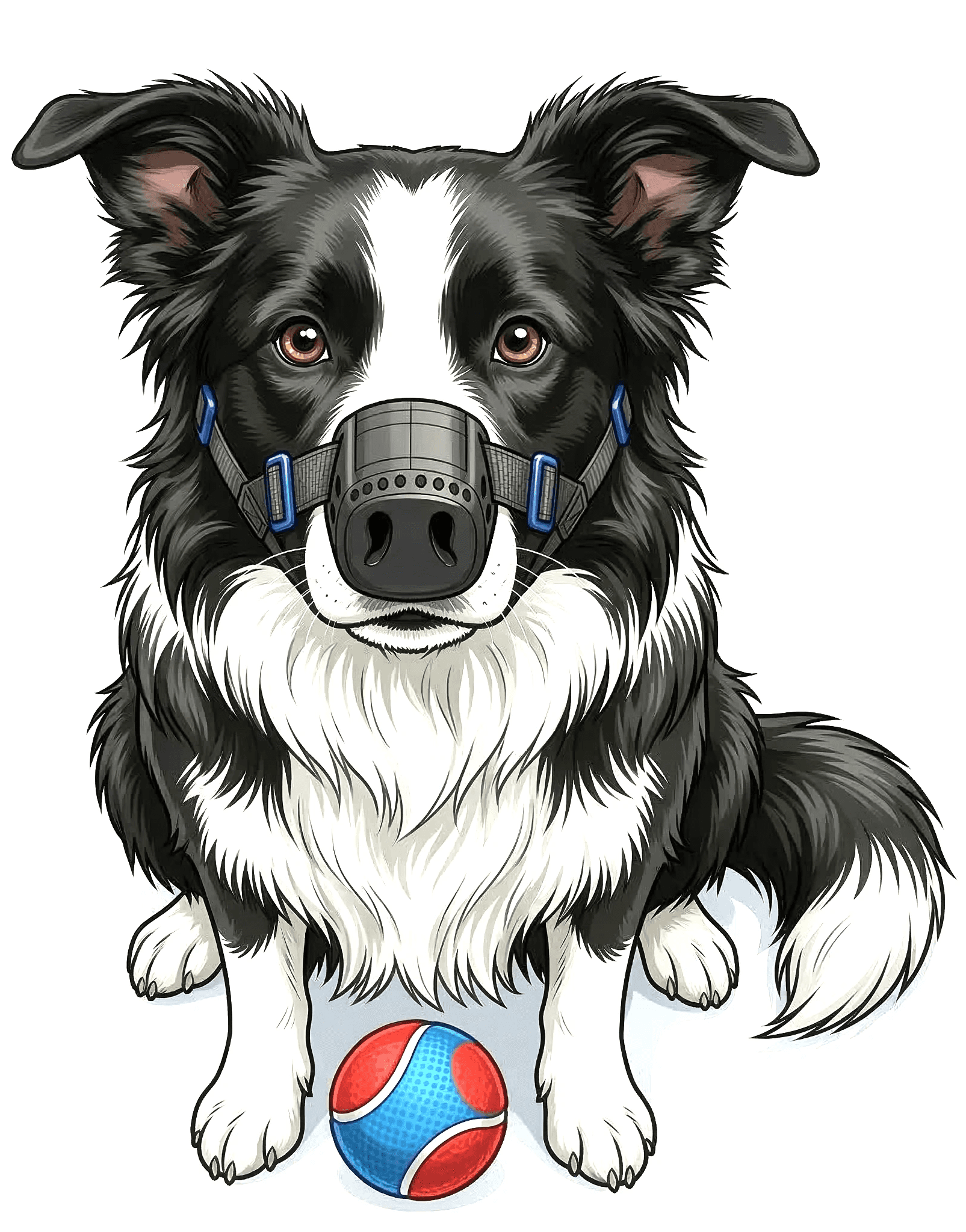
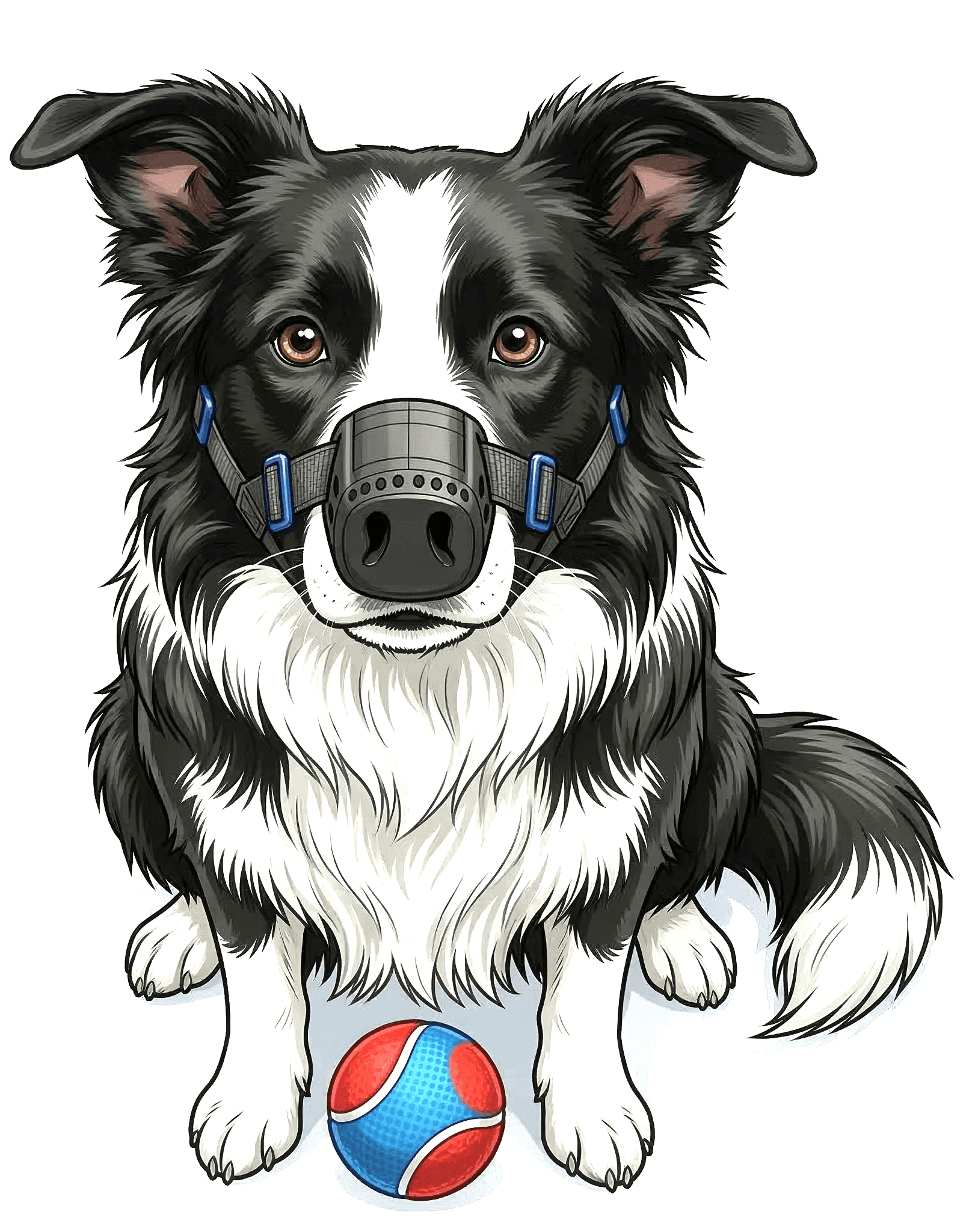
Border Collie wearing SnoutCover

SnoutCover is designed specifically for:

SnoutCover is designed
specifically for:

Ointment Shield

Ointment Shield

Keeps healing balms on the skin and out of their mouths.

Sun Protection

100% UV shield for light-pigmented or sensitive noses.

DLE Support

Specially designed for dogs with DLE to prevent flare-ups.

How SnoutCover Helps Collies with DLE

SnoutCover provides two critical functions for managing canine Discoid Lupus:

Consistent UV Blocking

The flexible TPU shell helps shield your dog’s nose from harmful UV rays, offering consistent protection throughout outdoor activities — without the mess of sunscreen balms that dogs lick off.

Medication Retention

Dogs instinctively lick their noses, removing prescribed topical corticosteroids within seconds. SnoutCover prevents access to the treatment area, ensuring medications remain in place for proper absorption as recommended by veterinarians.

How SnoutCover Helps Collies with DLE

SnoutCover was created specifically to address the two critical challenges in managing Collie Nose:

1. Consistent UV Blocking

The flexible TPU shell provides a physical barrier that blocks 100% of direct UV rays from reaching your Collie's nose. Unlike sunscreen that gets licked off or wears away, SnoutCover stays in place during your Collie's entire outdoor activity - whether that's a 20-minute walk or a 2-hour herding session.

Think of it as a permanent, wearable "shade" for your Collie's nose.


2. Medication Retention

This is the game-changer: SnoutCover prevents your Collie from licking off prescribed topical medications.

  1. Apply your vet-prescribed ointment or steroid cream to your Collie's nose

  2. Immediately put on the SnoutCover

  3. Go for your walk or outdoor activity

  4. The medication absorbs properly while your Collie is distracted and active

  5. Remove SnoutCover after 20-30 minutes (medication has absorbed)

This approach ensures the medication actually does its job instead of ending up on your Collie's tongue.

Why It Works

Allows normal Collie activities:

Collies are working dogs - they need to be active. SnoutCover's open-bottom design means your Collie can:

  • Breathe freely through open nostrils (critical for active breeds)

  • Drink water during walks

  • Eat treats for training

  • Pant normally to regulate body temperature

  • Sniff the ground and environment (important for mental stimulation)


Ventilated design:

Strategic ventilation holes prevent the "greenhouse effect" that can happen with muzzles or fabric covers. Air circulates around your Collie's nose, keeping it at a healthy moisture level while still blocking harmful UV rays.
The Combined Approach That Works

The most successful treatment protocol for Collies with DLE combines:

  1. Veterinary-prescribed medication (topical and/or oral)

  2. Physical UV protection (SnoutCover during all outdoor time)

  3. Supplements (Omega-3s, Vitamin E)

  4. Consistency (daily routine, no skipping sunny days)

Many Collie owners report seeing:

  • Week 2-4: Crusting begins to reduce

  • Week 6-8: Bleeding episodes stop

  • Month 2-3: Pigmentation starts returning

  • Month 4-6: Nose fully or mostly healed

(Individual results vary based on DLE severity and consistency of care)

Tab 1 of 3: Small
SnoutCover S size

Sizing SnoutCover for Your Collie

SnoutCover comes in three sizes. For Collies:

Most adult Rough and Smooth Collies fit the Medium size.

How to Measure Your Collie's Nose

  1. Measure from the tip of the nose to the point where the nose meets the fur (nasal planum length)

  2. Measure the width of the nose at its widest point

  3. Measure around the muzzle behind the nose leather


Don't worry if you're unsure: After you order, we personally review your Collie's photos and measurements to confirm the best size before shipping. If adjustments are needed post-delivery, we'll work with you to ensure proper fit.

See our complete fitting guide

Tab 1 of 3: Small
SnoutCover S size

Living with a Collie with DLE: Daily Management

Once you have a treatment plan in place, here's what daily life looks like with a Collie with DLE:

Morning Routine

  1. Gently clean your Collie's nose with warm water

  2. Apply prescribed medication

  3. Put on SnoutCover before outdoor time (walk, yard time, herding activities)

  4. Go about your normal activities - your Collie can play, exercise, and be a dog

Throughout the Day

  • SnoutCover stays on during all outdoor activities in daylight

  • Remove for indoor rest periods (away from windows)

  • Monitor your Collie for any signs of discomfort

  • Ensure water access (they can drink with SnoutCover on)

Evening Routine

  • Remove SnoutCover after final outdoor time

  • Clean SnoutCover with mild soap and water

  • Reapply medication if recommended by your vet

  • Inspect your Collie's nose for changes (take weekly photos to track progress)

Environmental Management

  • Create shaded areas in your yard where your Collie can rest

  • Close curtains or blinds on windows where your Collie likes to lay

  • Walk during cooler parts of the day when possible (early morning, evening)

  • Use UV-blocking window film for your Collie's favorite sunny spots

Collie with Collie nose sunbathing

Frequently Asked Questions: Collie Nose & SnoutCover

Will my Collie tolerate wearing SnoutCover?

Most Collies adapt well with gradual introduction and positive reinforcement. Collies are intelligent, trainable dogs, which actually works in your favor. Start with short 5-10 minute sessions indoors with high-value treats, then gradually increase duration and move to outdoor activities.

The key is making SnoutCover associated with things your Collie loves: walks, playtime, herding exercises. Within 1-2 weeks, most Collies accept it as part of their outdoor routine - just like putting on a collar.

See our complete introduction guide

Can I use SnoutCover with sunscreen balm?

Absolutely! Many Collie owners use a layered approach - Apply dog-safe sunscreen to the nose and put on SnoutCover. This provides maximum protection - chemical (sunscreen) + physical (SnoutCover) UV blocking, plus medication retention.

How long will my Collie need to use SnoutCover?

This depends on DLE severity, but most Collies require lifelong UV protection to prevent recurrence. The good news: once your Collie's nose heals, you may only need SnoutCover during outdoor activities on sunny days. Many owners continue using it preventatively during peak UV months (spring/summer) even after complete healing, to avoid flare-ups.

What if my Collie is in the middle of a severe DLE flare-up?

If your Collie's nose is currently very raw, bleeding, or has open wounds, work with your veterinarian first to get the acute inflammation under control before introducing SnoutCover. Extremely inflamed tissue may be too sensitive for any contact.

Once the acute phase is controlled (usually 1-2 weeks with aggressive medical therapy), you can begin gradual SnoutCover introduction to prevent further UV damage and support healing.

Is Collie Nose contagious to other dogs?

No. DLE is an autoimmune disease, not an infection. It cannot spread to your other pets or to humans. However, if you have multiple Collies, they're all at genetic risk regardless of whether one is affected.

Will my Collie's nose ever fully recover?

Many Collies achieve complete or near-complete recovery with proper treatment. Pigmentation often returns (though it may take 4-6 months), crusting resolves, and pain disappears. Some Collies may retain slight textural changes, but with continued UV protection, remain comfortable and healthy. The prognosis for Collie Nose is generally very good when managed properly.

Can my Collie still participate in herding, agility, or other activities?

Yes! SnoutCover is designed to allow normal activity. Your Collie can run, jump, herd, and play while wearing it. The secure strap system keeps it in place during vigorous exercise, and the open design allows normal breathing and panting. Many working Collies wear SnoutCover during herding trials, agility competitions, and everyday farm work.

What's the difference between SnoutCover and a muzzle?

SnoutCover is not a muzzle. It only covers the top of the nose (the affected area in DLE), leaving the mouth completely free. Your Collie can eat, drink, pant, and breathe normally. It's targeted UV protection, not a restraint device.

Read: Why Modified Muzzles Don't Work for DLE

Is Your Collie's Nose Worth Protecting?

If you've made it this far, you already know the answer. Your Collie deserves to live without pain, to enjoy outdoor activities, and to have their beautiful nose protected from progressive UV damage.

Collie Nose is manageable. The tools exist. The treatment works. What matters now is taking action.

A gentle, breathable nose guard for dogs with DLE.

A gentle, breathable nose guard for dogs with DLE.

Order SnoutCover

$40 + shipping

Download STL

DIY · Print it yourself

Border Collie wearing SnoutCover

Questions? Reach out.

Every Collie's DLE journey is unique. If you have specific questions about your Collie's condition or whether SnoutCover is right for your situation - We're here to help.

Your Collie's nose can heal. Let's make it happen together.

Buy Me A Coffee

SnoutCover is a privately developed aid and is not a medical device or veterinary advice. Always follow your veterinarian.

By downloading, printing, assembling, purchasing, or using SnoutCover (including any 3D files, TPU parts, straps, or hardware), you accept full responsibility for fit, use, training, supervision, and monitoring of your dog. Stop use if you see irritation, stress, or breathing issues.


3D-printed parts (including flexible TPU) can vary in safety and durability. No guarantee is made for performance or suitability for any specific dog. I am not liable for any injury, damage, or outcome related to use or misuse of the product or design files. Use is at your own risk.

This site shares a personal, non‑medical solution that worked for our dog. Always consult your veterinarian for diagnosis and treatment.

© 2025 SnoutCover by Omri Hillel. All rights reserved.

Buy Me A Coffee

SnoutCover is a privately developed aid and is not a medical device or veterinary advice. Always follow your veterinarian.

By downloading, printing, assembling, purchasing, or using SnoutCover (including any 3D files, TPU parts, straps, or hardware), you accept full responsibility for fit, use, training, supervision, and monitoring of your dog. Stop use if you see irritation, stress, or breathing issues.


3D-printed parts (including flexible TPU) can vary in safety and durability. No guarantee is made for performance or suitability for any specific dog. I am not liable for any injury, damage, or outcome related to use or misuse of the product or design files. Use is at your own risk.

This site shares a personal, non‑medical solution that worked for our dog. Always consult your veterinarian for diagnosis and treatment.

© 2025 SnoutCover by Omri Hillel. All rights reserved.

Buy Me A Coffee

SnoutCover is a privately developed aid and is not a medical device or veterinary advice. Always follow your veterinarian.

By downloading, printing, assembling, purchasing, or using SnoutCover (including any 3D files, TPU parts, straps, or hardware), you accept full responsibility for fit, use, training, supervision, and monitoring of your dog. Stop use if you see irritation, stress, or breathing issues.


3D-printed parts (including flexible TPU) can vary in safety and durability. No guarantee is made for performance or suitability for any specific dog. I am not liable for any injury, damage, or outcome related to use or misuse of the product or design files. Use is at your own risk.

This site shares a personal, non‑medical solution that worked for our dog. Always consult your veterinarian for diagnosis and treatment.

© 2025 SnoutCover by Omri Hillel. All rights reserved.

Buy Me A Coffee

SnoutCover is a privately developed aid and is not a medical device or veterinary advice. Always follow your veterinarian.

By downloading, printing, assembling, purchasing, or using SnoutCover (including any 3D files, TPU parts, straps, or hardware), you accept full responsibility for fit, use, training, supervision, and monitoring of your dog. Stop use if you see irritation, stress, or breathing issues.


3D-printed parts (including flexible TPU) can vary in safety and durability. No guarantee is made for performance or suitability for any specific dog. I am not liable for any injury, damage, or outcome related to use or misuse of the product or design files. Use is at your own risk.

This site shares a personal, non‑medical solution that worked for our dog. Always consult your veterinarian for diagnosis and treatment.

© 2025 SnoutCover by Omri Hillel. All rights reserved.