DLE in Dogs (Discoid Lupus Erythematosus): Symptoms, Collie Nose & How to Protect the Nose
TLDR: What is DLE in dogs?
Discoid Lupus Erythematosus (DLE) is an autoimmune disease where a dog's immune system mistakenly attacks healthy cells on the nose. It is the most common form of cutaneous (skin) lupus in dogs, and it is often called "Collie Nose" or "Nasal Solar Dermatitis." It causes:
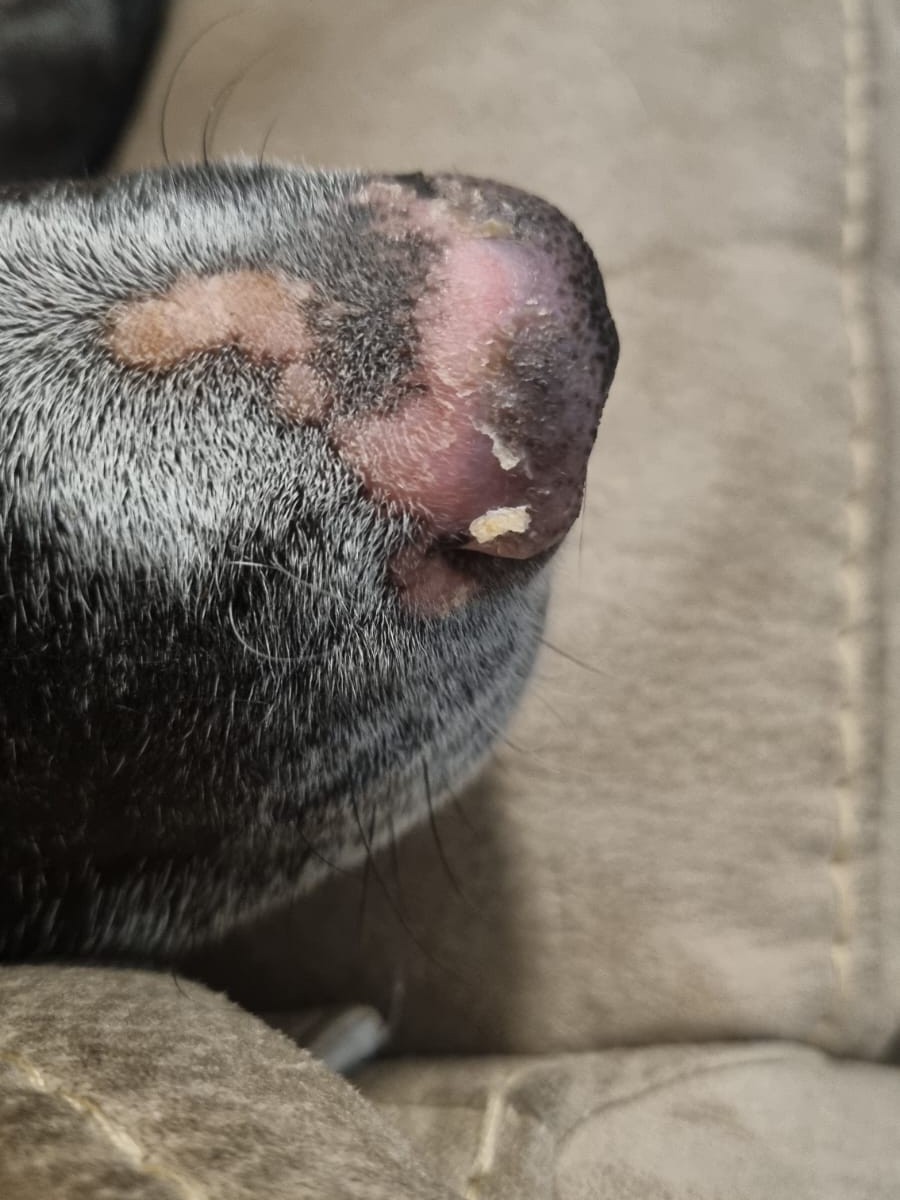
Loss of pigmentation (nose turns pink or pale)
Crusting and scaling
Sun sensitivity (UV rays worsen symptoms)
Pain and bleeding from minor contact
Most affected breeds: Collies, German Shepherds, Siberian Huskies, Australian Shepherds, Shetland Sheepdogs.
Does DLE affect life expectancy? No. DLE stays on the skin, does not spread to internal organs, and does not shorten your dog's life. With medication, UV protection, and consistent care, most dogs improve within 2-3 months.
If you have noticed your dog's nose turning pink, losing its color, developing crusts, or becoming sensitive and painful, you may be dealing with Discoid Lupus Erythematosus - one of the most common autoimmune skin diseases affecting dogs.
Understanding DLE is the first step toward helping your dog live comfortably and protecting their sensitive nose from further damage.
What does DLE stand for?
DLE stands for Discoid Lupus Erythematosus. "Discoid" refers to the disc-shaped lesions it can create, "Lupus" means the immune system is attacking the body's own tissue, and "Erythematosus" refers to the redness and inflammation involved. It is sometimes written as cutaneous lupus erythematosus, because it affects the skin rather than the whole body.
Is DLE the same as "Collie Nose"?
Yes. "Collie Nose" is the common nickname for DLE, because the condition is so frequently seen in Collies and closely related herding breeds. You may also hear it called "Nasal Solar Dermatitis," which describes how sunlight triggers and worsens it. Whether your vet says DLE, discoid lupus, collie nose, or nasal solar dermatitis, they are usually describing the same nasal condition.
Read our dedicated Collie Nose guide here.
Understanding DLE: The Basics
Discoid Lupus Erythematosus (DLE), also known as Cutaneous Lupus Erythematosus, is an autoimmune skin disease that primarily affects a dog's nose - specifically the nasal planum, which is the hairless part of the nose.
What Makes It an Autoimmune Disease?
In a healthy immune system, the body defends itself against harmful invaders. In autoimmune diseases, the immune system mistakenly identifies healthy tissue as a threat and attacks it.
With DLE, the immune system targets the healthy cells on your dog's nose, causing inflammation and progressive tissue damage.
Why the Nose?
The nasal planum is particularly vulnerable because it is:
Exposed tissue with no fur protection
Has a high concentration of pigment cells
Gets constant sun exposure
Has frequent contact with surfaces
DLE Symptoms in Dogs: Early Signs and Progressive Damage
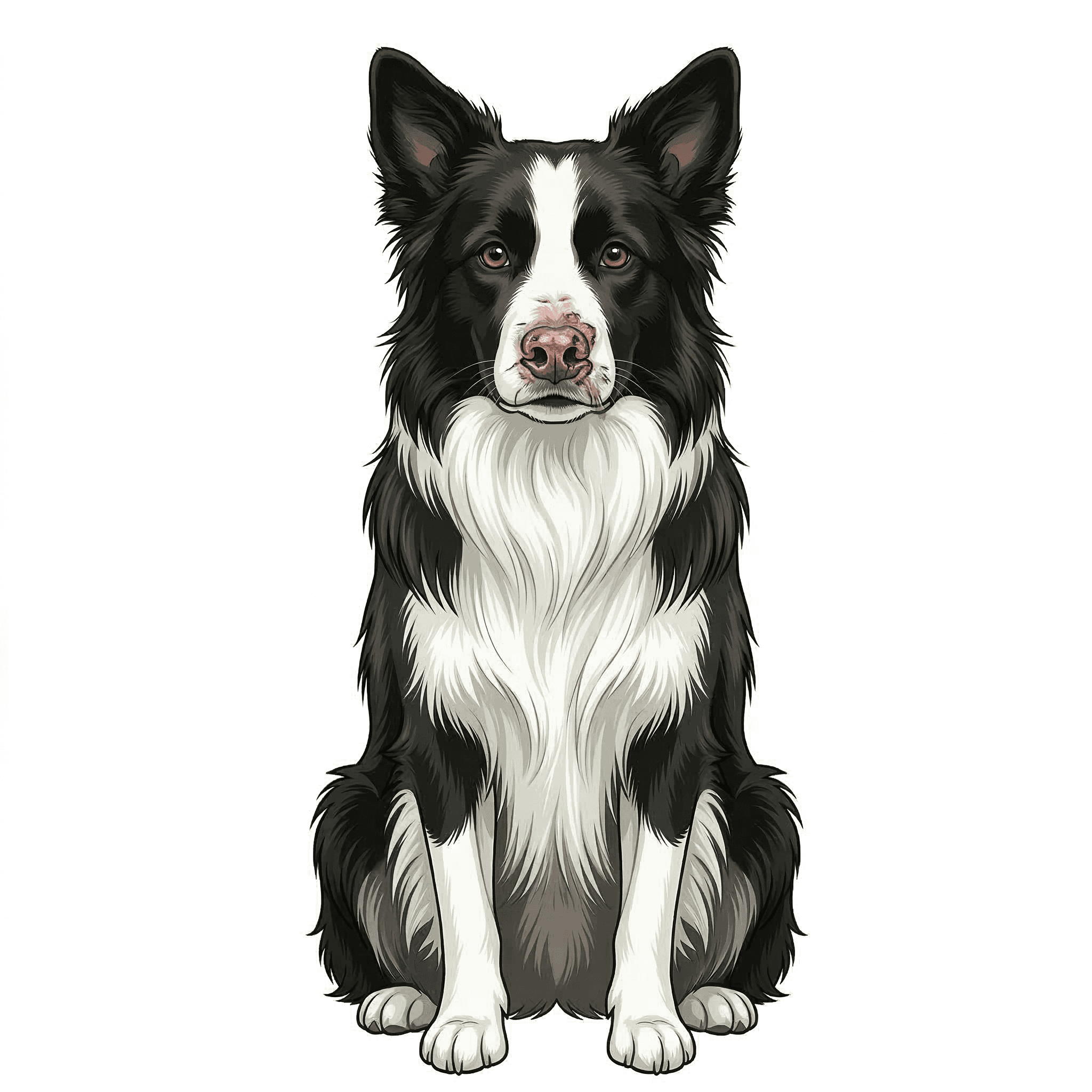
DLE symptoms typically develop gradually. Many owners first search for things like "dog's nose turning pink" or "dog nose losing color" before they ever hear the word lupus. Here is what to watch for:
Early Signs
Loss of pigmentation - the nose begins losing its natural black, brown, or liver color
Changes in texture - the normal "cobblestone" texture becomes smooth
Mild crusting or scaling - small crusts or flakes on the nose surface
Progressive Symptoms
As DLE advances without treatment:
Severe crusting and scaling - thick, adherent crusts form
Erosions and ulceration - the protective layer breaks down, leaving raw, exposed tissue
Bleeding from minor trauma - even gentle bumps cause bleeding
Increased sun sensitivity - symptoms worsen dramatically after sun exposure
Behavioral Changes
Reluctance to play or be active
Pawing at or rubbing their face
Sensitivity when you touch their nose
Avoiding going outside, especially on sunny days
What Causes DLE in Dogs? Genetics, UV, and Risk Factors
The exact cause remains unclear, but several factors contribute:
Genetic Predisposition
High-risk breeds:
Shetland Sheepdogs
German Shepherds
Siberian Huskies
Australian Shepherds
Brittany Spaniels
UV Exposure
Ultraviolet radiation from sunlight is a major trigger. UV rays damage cells on the nose surface and trigger abnormal immune responses. This is why DLE is often called "Collie Nose" or "Nasal Solar Dermatitis."
Read more about Collie Nose on our dedicated guide.
Other Contributing Factors
Seasonal patterns: worse in summer, improvement in winter
Altitude: higher UV exposure at altitude
Age: most commonly appears in dogs between 2-6 years old
How is DLE Diagnosed?
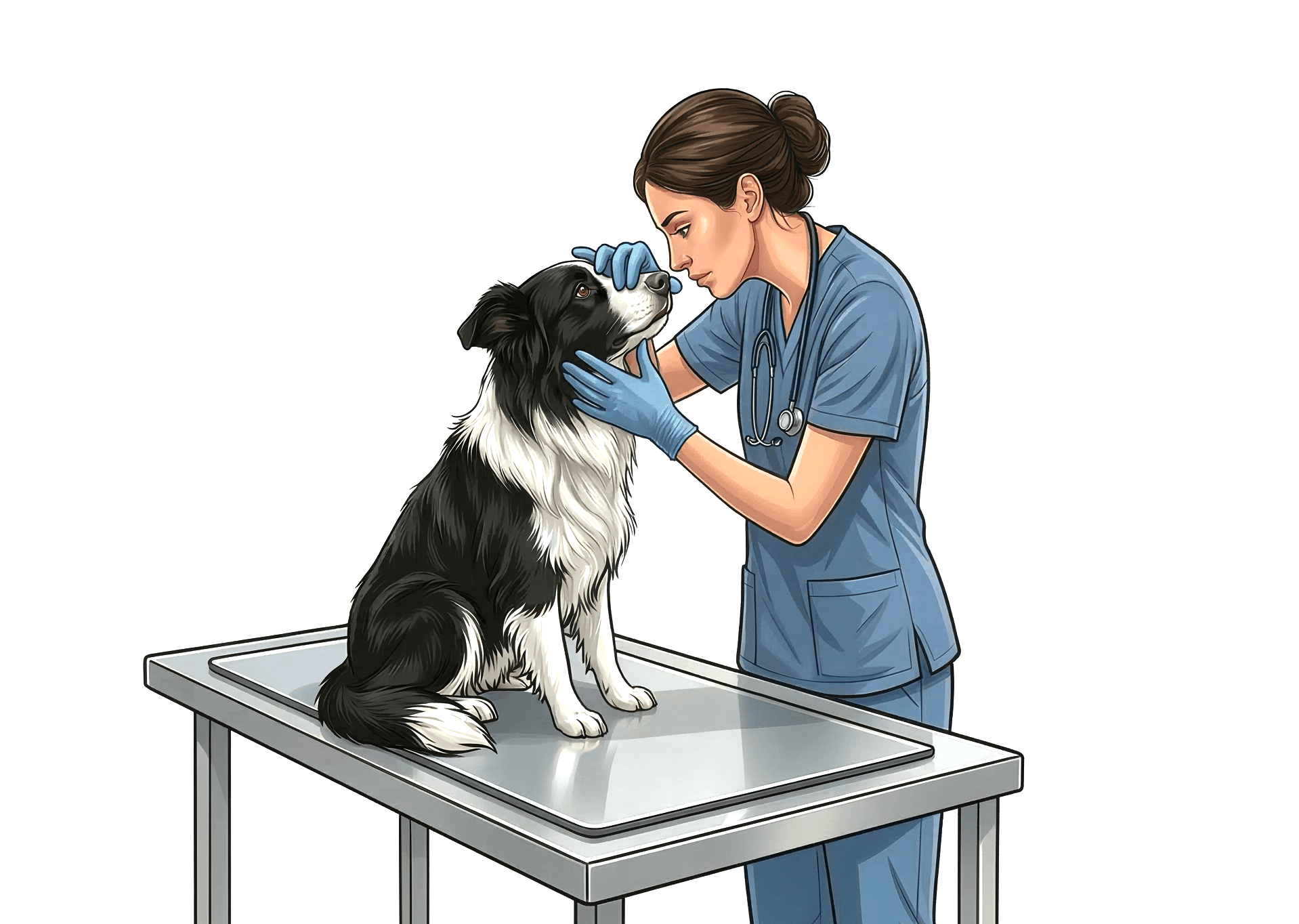
Physical Examination
Your veterinarian will examine your dog's nose for:
Pattern and extent of pigment loss
Presence of crusting or ulceration
Overall texture and condition
Signs of pain or sensitivity
Biopsy (Definitive Diagnosis)
The gold standard is a skin biopsy, where a small piece of tissue is examined under a microscope by a veterinary pathologist.
Ruling Out Similar Conditions
DLE can look similar to:
Pemphigus foliaceus
Systemic lupus erythematosus
Nasal tumors
Fungal infections
Contact dermatitis
Treatment Options for DLE
While there is no cure, the condition can be effectively managed. Always work with your veterinarian to choose the right approach for your dog.
Medical Treatments
Topical medications: corticosteroid creams, tacrolimus ointment, vitamin E cream
Systemic medications: oral corticosteroids, tetracycline and niacinamide combination
Supplements: omega-3 fatty acids, vitamin E, biotin
See Billie's full recovery story for a real-world example of effective DLE management.
The Challenge: Medication Retention
Dogs immediately lick off anything applied to their nose.
Traditional solutions like Elizabethan collars are uncomfortable, constant supervision is impractical, and frequent reapplication is ineffective.
This is where physical protection becomes crucial.
UV Protection: Non-Negotiable
Protecting your dog's nose from sun exposure is absolutely essential. UV rays directly worsen DLE, and sun protection allows healing to occur.
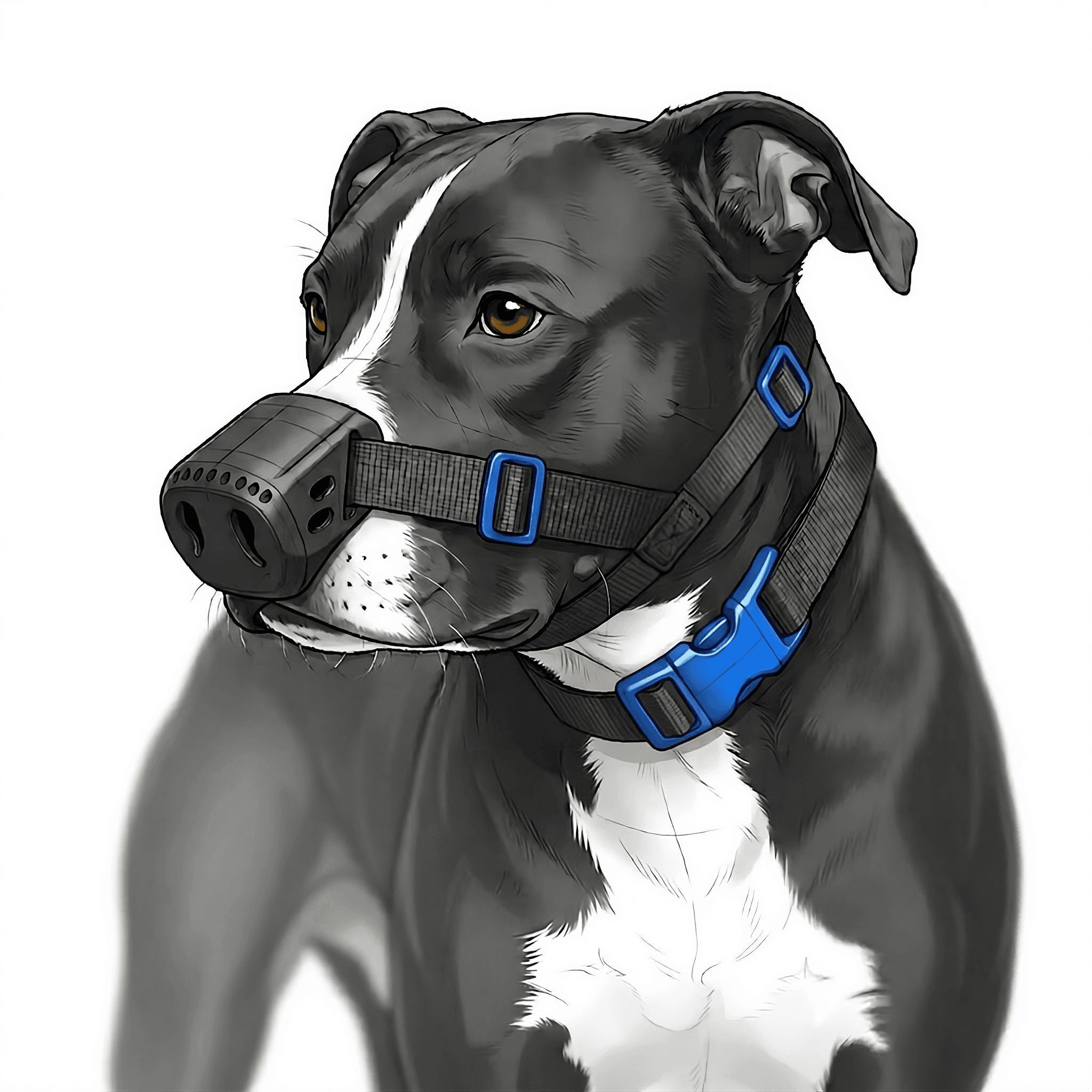
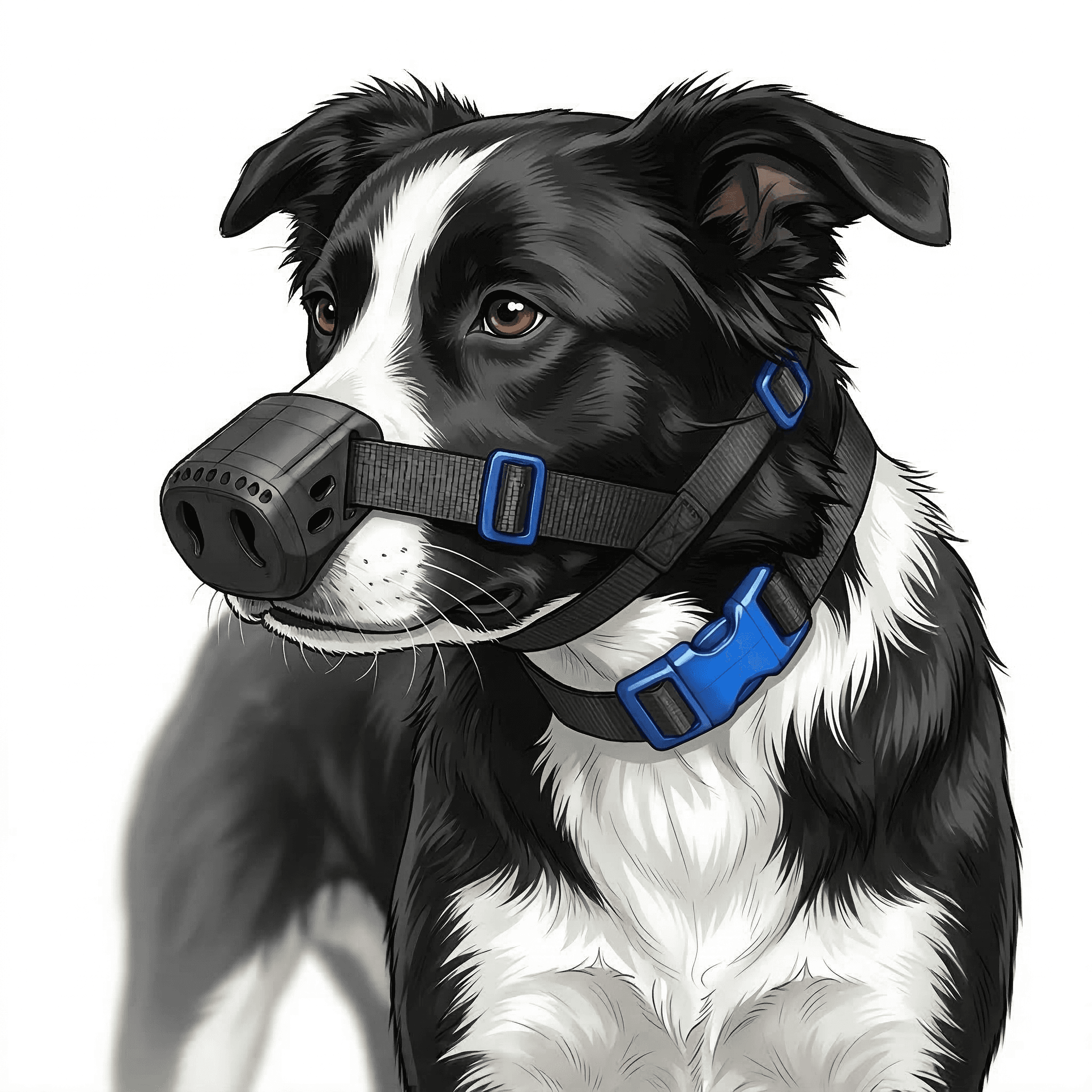
Modern approach: physical barriers like SnoutCover provide:
Consistent UV protection without reapplication
Secure medication retention for proper absorption
Freedom for dogs to live normally without restriction
A combined protection-and-treatment solution
Learn more about combining sunscreen with physical protection for maximum effectiveness.
Living with a DLE Dog
Daily Care Routine
Morning: clean nose, apply medication, put on protective cover before outdoor activity
Throughout the day: monitor for discomfort, avoid peak sun hours, keep water bowl full
Evening: remove nose cover, reapply medication if needed, inspect for changes
For detailed daily care instructions, see our complete SnoutCover usage guide, or our Collie Nose daily management guide.
Environmental Management
Create shaded areas indoors and outdoors
Walk during early morning or evening
Maintain comfortable temperature and humidity
DLE by Breed: Which Dogs Are Most Affected?
Collies and "Collie Nose"
DLE is so common in Collies that it is often called "Collie Nose" or "Nasal Solar Dermatitis." Both Rough and Smooth Collies are highly susceptible due to genetic factors. If you are a Collie owner, be especially vigilant about sun protection and watch for early signs of pigment loss.
Read our in-depth Collie Nose daily management guide for breed-specific care tips.
German Shepherds and DLE
German Shepherds are one of the most frequently affected breeds. Their active outdoor lifestyle combined with genetic predisposition makes UV protection essential. Many German Shepherd owners report first noticing symptoms after extended outdoor activities.
Siberian Huskies and Nasal Depigmentation
Huskies often show DLE symptoms earlier than other breeds, typically between 2-4 years old. The condition can be particularly severe in Huskies, requiring aggressive UV protection and medical management.
Australian Shepherds and Sun-Sensitive Noses
Australian Shepherds, especially those with lighter nose pigmentation, are prone to DLE. The combination of herding activity (high sun exposure) and genetic factors makes preventive UV protection crucial for this breed.
Shetland Sheepdogs (Shelties)
Closely related to Collies, Shelties share the same genetic vulnerability to DLE. The condition presents identically in Shelties as it does in Collies, requiring the same treatment approach.
Other Affected Breeds
While less common, DLE can also affect:
Brittany Spaniels
Border Collies
Mixed breeds with similar genetics
Note: any dog showing nasal depigmentation and sun sensitivity should be evaluated by a veterinarian.
The Good News
The prognosis is generally good:
Most dogs achieve complete remission with proper management.
Symptoms typically improve within 2-3 months.
Many dogs eventually require only preventive UV protection.
DLE does not affect life expectancy.
The condition does not spread to internal organs.
When to See Your Veterinarian
Contact your vet if you notice any:
Color change in your dog's nose
Persistent crusting or scaling
Bleeding, open sores, or ulceration
Signs of pain or sensitivity
Early intervention leads to better outcomes and prevents severe tissue damage.
Frequently Asked Questions About DLE in Dogs
What does DLE stand for in dogs?
DLE stands for Discoid Lupus Erythematosus, an autoimmune skin disease that mainly affects a dog's nose. It is also known as cutaneous lupus, Collie Nose, or Nasal Solar Dermatitis.
Is DLE in dogs the same as Collie Nose?
Yes. "Collie Nose" is the everyday nickname for DLE, named after the breed it most commonly affects. The medical name is Discoid Lupus Erythematosus.
Does DLE affect a dog's life expectancy?
No. DLE is limited to the skin and does not spread to internal organs, so it does not shorten your dog's life. It is a manageable, quality-of-life condition rather than a life-threatening one.
Can DLE in dogs be cured?
There is no permanent cure, but DLE is highly manageable. With medication, consistent UV protection, and good daily care, most dogs reach remission and live full, comfortable lives. Always follow your veterinarian's treatment plan.
How is DLE in dogs treated at home?
At-home care centers on protecting the nose from the sun and keeping prescribed medication on the nose long enough to absorb. That usually means a vet-directed topical or oral medication, UV protection such as a physical nose cover, and avoiding peak sun hours. A physical barrier like SnoutCover helps both by blocking UV and by keeping medication in place instead of being licked off.
What dog breeds get DLE most often?
Collies, German Shepherds, Siberian Huskies, Australian Shepherds, Shetland Sheepdogs, and Brittany Spaniels are most commonly affected, though any dog with nasal depigmentation and sun sensitivity can develop it.
Why is my dog's nose turning pink or losing its color?
Pigment loss on the nose is one of the earliest signs of DLE, but it can also have other causes. If the color change comes with crusting, smoothing of the nose texture, or sensitivity, have your veterinarian examine your dog to confirm the cause.
Conclusion
Understanding DLE empowers you to be your dog's best advocate. While the diagnosis can feel overwhelming, remember:
DLE is manageable with proper care
Modern solutions have improved daily treatment
Your dog can live a full, happy life
You are not alone
The key is combining medical treatment with consistent UV protection and a patient, committed approach to care. SnoutCover protects and supports healing - it is not a cure, and it works best alongside your vet's guidance.
Questions about DLE or need help protecting your dog's nose?
DLE is manageable, and your dog can live fully while healing. SnoutCover was designed by a DLE dog parent who went through exactly this.