
Dog Nose Sunburn: Signs, Risks, and How to Protect Your Dog's Nose from the Sun
TLDR
Yes, dogs can get sunburned - and the nose is one of the most exposed, most vulnerable spots. A dog's nose has thin, often lightly pigmented skin with no fur to shield it. Repeated UV exposure can cause sunburn, peeling, and over time more serious damage, and it strongly worsens conditions like Discoid Lupus Erythematosus (DLE). Protection comes down to three things: limit peak-sun exposure, use a dog-safe sunscreen, and add a physical barrier so the protection actually stays on.
If you have noticed your dog's nose looking red, dry, flaky, or tender after time outside, you are not imagining it. Canine sunburn is real, and the nose is one of the first places it shows up.
Why a Dog's Nose Is So Vulnerable to the Sun
The nasal planum - the leathery, hairless front of the nose - is exposed tissue with no protective coat of fur. It points up and outward, catching direct sun for much of the day, and in many dogs the pigment that would normally absorb some UV is thin or patchy.
Dogs most at risk of nose sunburn include:
Dogs with pink, light, or partially depigmented noses
Dogs with thin or white facial fur
Dogs that spend long stretches outdoors, especially herding and working breeds
Dogs living at altitude or in sunny climates, where UV intensity is higher
Dogs with autoimmune skin conditions like DLE, where UV directly drives flare-ups

Signs Your Dog's Nose Is Sunburned
Nose sunburn can be subtle at first. Watch for:
Redness or pinkness on the nose or bridge
Dryness, flaking, or peeling skin
Tenderness - your dog pulls away when you touch the nose
Cracking or small sores in more advanced cases
Loss of the normal cobblestone texture, which can signal something beyond a simple burn
A one-off mild burn usually settles with shade and time. But repeated burns, persistent crusting, color change, or sores that do not heal deserve a veterinary visit, because chronic UV damage is linked to more serious skin conditions and can look similar to autoimmune disease in its early stages.
Why Sun Protection Matters More Than People Think
Beyond the immediate discomfort, repeated sun damage to an exposed nose can contribute to long-term skin problems and can dramatically worsen photosensitive conditions. For dogs with DLE in particular, UV exposure is one of the main triggers of flare-ups, which is why veterinarians often recommend daily nose protection for affected dogs. Sun protection is not cosmetic - it is part of keeping the tissue healthy.
How to Protect Your Dog's Nose from the Sun
1. Manage the timing
UV is strongest between roughly 10am and 4pm. Walk early or late, use shade, and give your dog cool, covered spots to rest during peak hours.
2. Use a dog-safe sunscreen
Never use human sunscreen on the nose. Many human formulas contain zinc oxide or salicylates that are unsafe for dogs if licked off and swallowed. Choose a product made for dogs, and always check with your vet. We go deeper on this in our guide to whether sunscreen is safe for dogs.
3. Add a physical barrier
The catch with any cream is simple: dogs lick their nose constantly, so sunscreen rarely stays put long enough to work. A physical UV barrier solves the problem the cream cannot. SnoutCover is a 3D-printed cover designed to sit over the nose, blocking UV consistently without needing reapplication, and it can hold prescribed medication or sunscreen in place so it actually absorbs instead of being licked away.
For the best of both worlds, see our cream-plus-cover method guide, which combines sunscreen with a physical cover for maximum effect.
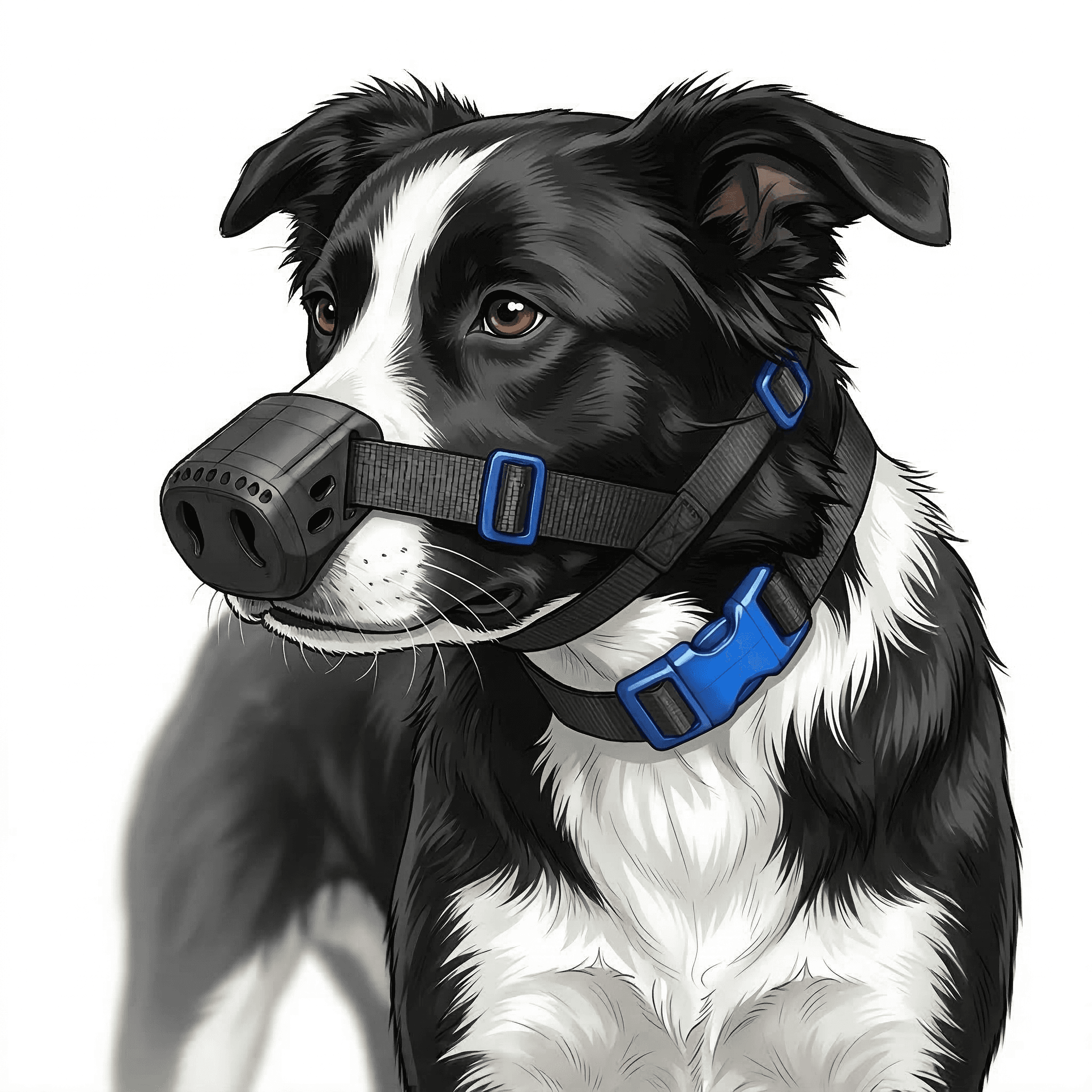
SnoutCover protects and supports - it does not replace your vet
SnoutCover protects the nose and supports healing by blocking UV and keeping treatments in place. It is not a cure and not a wound dressing. If your dog's nose is cracked, ulcerated, bleeding, or changing color, see your veterinarian first to get the right diagnosis and treatment plan.
Frequently Asked Questions
Can dogs really get sunburned on their nose?
Yes. The nose is hairless, exposed tissue, and dogs with light or depigmented noses are especially prone to sunburn, peeling, and tenderness after sun exposure.
What can I put on my dog's nose for sun protection?
Use a sunscreen formulated specifically for dogs, never a human product, and ideally pair it with a physical UV barrier so the protection stays on. Ask your veterinarian for product recommendations.
Is human sunscreen safe for a dog's nose?
No. Many human sunscreens contain ingredients that are toxic to dogs if licked off and ingested. Always choose a dog-specific product.
How do I keep sunscreen on a nose my dog keeps licking?
This is the core problem with creams alone. A physical cover like SnoutCover blocks UV directly and holds any applied product in place so your dog cannot immediately lick it off.
