
German Shepherd DLE: Why the Breed Is Prone to Collie Nose and How to Protect It
TLDR
German Shepherds are one of the breeds most affected by Discoid Lupus Erythematosus (DLE), an autoimmune condition that attacks the skin of the nose. Genetics plus a typically active, sun-exposed outdoor lifestyle make the breed especially susceptible. Early signs are loss of nose color and a smoothing of the normal texture. DLE is highly manageable with veterinary care, consistent UV protection, and good daily habits, and it does not affect life expectancy.
If you have a German Shepherd whose nose is turning pink, gray, or crusty, DLE is one of the first conditions a vet will consider. The breed shows up again and again in veterinary discussions of this disease.
Why Are German Shepherds Prone to DLE?
Two factors stack up for the breed:
Genetic predisposition. German Shepherds are repeatedly identified among the breeds at highest risk for DLE, alongside Collies, Shetland Sheepdogs, and Siberian Huskies.
Lifestyle and sun exposure. Shepherds are active, working, outdoor dogs. Because UV light is a major trigger for DLE, the breed's love of long days outside means more of the exposure that drives flare-ups.
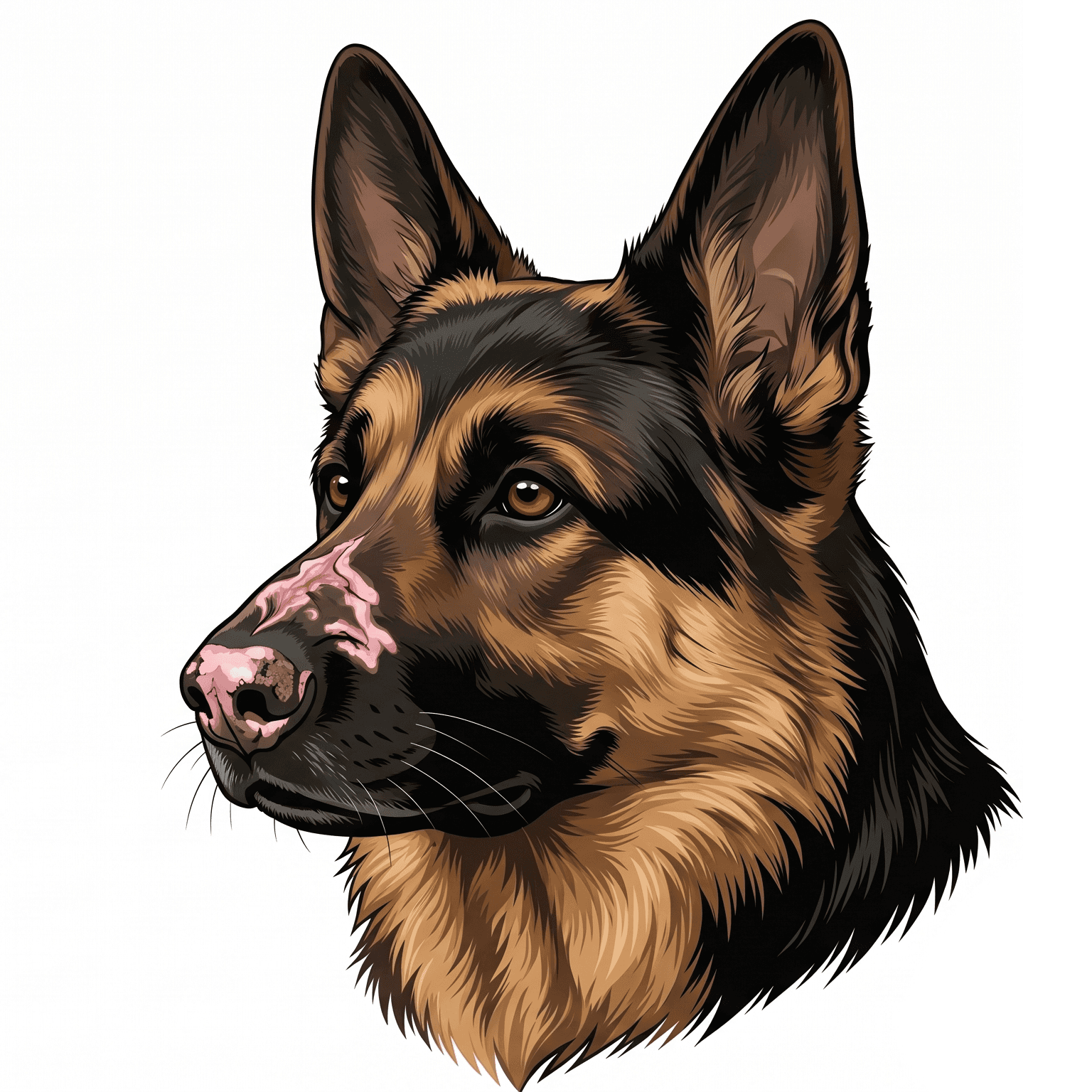
Early Signs of DLE in German Shepherds
Most owners first notice a color change. Watch for:
Loss of pigment - the black nose turns slate-gray, bluish, or pink
Smoothing texture - the normal cobblestone surface becomes flat and shiny
Crusting and scaling on the nose
Sores, cracking, or bleeding in more advanced cases
Reluctance to be in the sun, since UV makes it worse
Many German Shepherd owners report first noticing symptoms after extended time outdoors. If you see these signs, book a veterinary exam.
How DLE Is Diagnosed
A vet will examine the nose and take a history. Because DLE can resemble other conditions, including mucocutaneous pyoderma, pemphigus, and nasal tumors, the definitive diagnosis is a skin biopsy, usually under sedation. Getting the right diagnosis matters, because the treatments differ.
Treatment and Daily Management
There is no cure, but DLE is very manageable. A typical plan, directed by your veterinarian, may include:
Topical or oral medication to calm the immune response
Supplements such as omega-3 fatty acids and vitamin E
Strict UV protection, which is non-negotiable for control
Avoiding peak sun and walking early or late
The medication problem every Shepherd owner hits
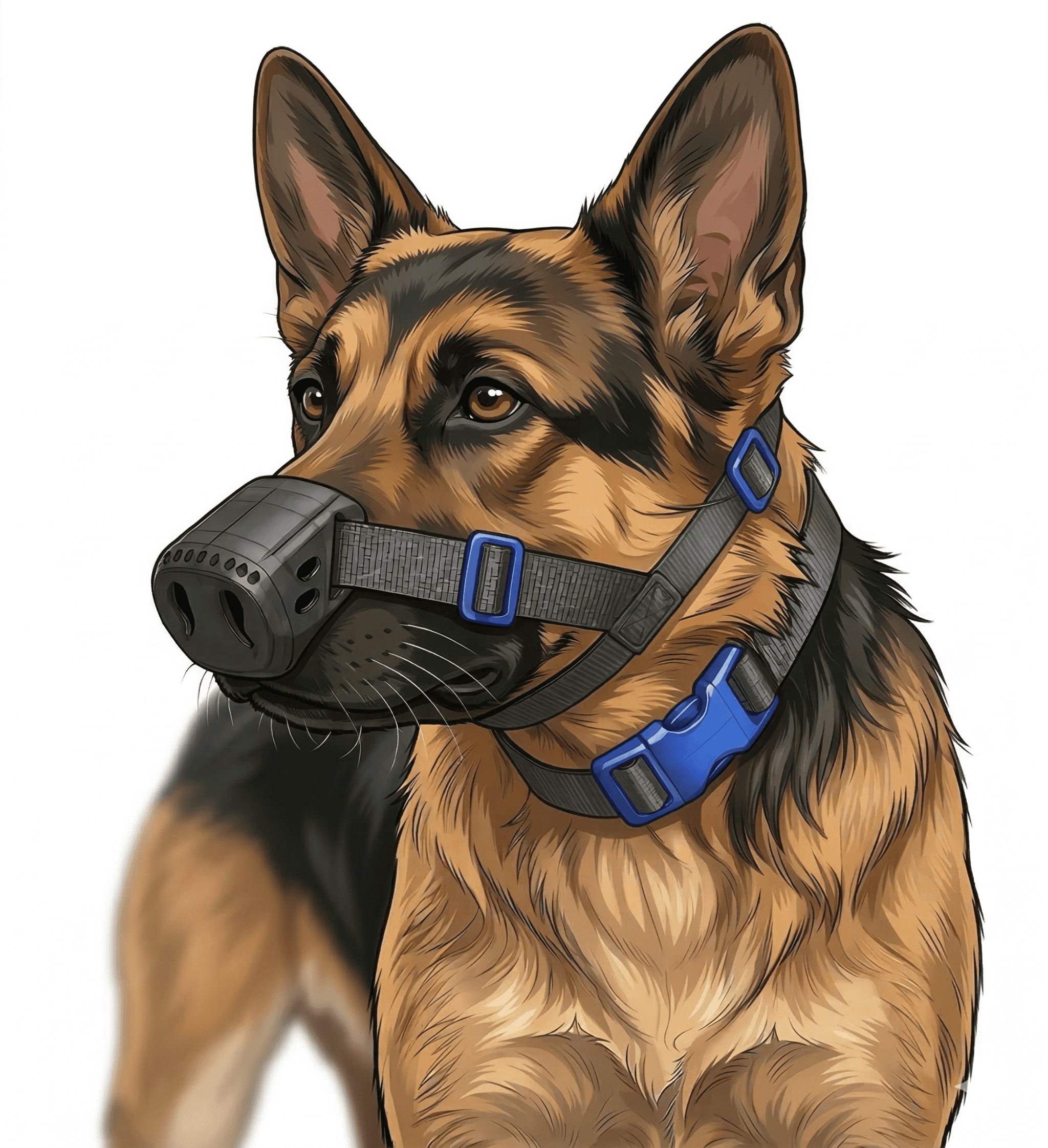
Anything you apply to the nose gets licked off almost instantly, which is why topical treatment so often fails in practice. This is where a physical barrier changes the game. SnoutCover blocks UV consistently without reapplication and holds prescribed medication in place so it can actually absorb. It was designed by a DLE dog parent who lived exactly this challenge.
For a daily routine you can copy, see our daily DLE management guide and our SnoutCover usage guide.
The Good News for German Shepherd Owners
A DLE diagnosis sounds scary, but the outlook is genuinely good. DLE stays on the skin, does not spread to internal organs, and does not shorten your dog's life. With consistent management, many dogs improve within 2-3 months and eventually need mostly preventive UV protection.
SnoutCover protects and supports healing - it is not a cure or a wound dressing, and it works best alongside your veterinarian's treatment plan.
Frequently Asked Questions
Are German Shepherds prone to lupus of the nose?
Yes. German Shepherds are among the breeds most commonly affected by Discoid Lupus Erythematosus, the autoimmune condition often called Collie Nose, largely due to genetics and high sun exposure.
What does DLE look like in a German Shepherd?
It usually starts as loss of nose color (black turning gray or pink) and a smoothing of the nose's cobblestone texture, sometimes progressing to crusting, sores, or bleeding.
Does DLE shorten a German Shepherd's life?
No. DLE is confined to the skin and does not affect life expectancy. It is a quality-of-life condition that is manageable with proper care.
How do I protect my German Shepherd's nose?
Combine vet-directed medication, daily UV protection, and avoidance of peak sun. A physical cover like SnoutCover blocks UV and keeps medication in place on a breed that licks everything off.
